

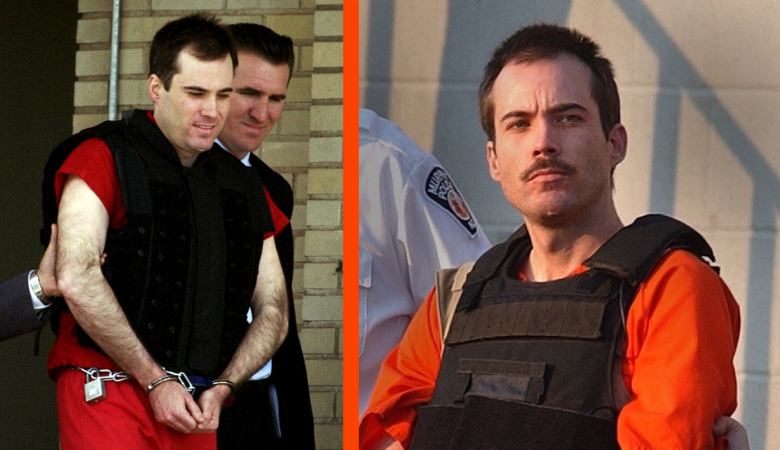
Eric Rudolph is one of the most infamous figures in modern American criminal history. Known for a series of bombings that shocked the United States during the late 1990s, his actions left a lasting impact on law enforcement, public safety policies, and discussions surrounding domestic terrorism. While much attention has focused on his crimes, many people also search for information about his family, including Patricia Murphy, Robert Rudolph, Daniel Rudolph, Jamie Rudolph, Joel Rudolph, and Maura Rudolph.
Early Life of Eric Rudolph
Eric Robert Rudolph was born on September 19, 1966, in Florida, United States. He spent much of his childhood in a family environment that later became the subject of public interest due to his criminal actions. His father, Robert Rudolph, passed away when Eric was still young, a life event that significantly affected the family.
Following the death of Robert Rudolph, the family relocated to North Carolina. During his teenage years, Eric Rudolph developed strong survival skills and became familiar with wilderness living. These abilities would later help him evade law enforcement for several years after becoming one of the FBI’s most wanted fugitives.
Although many individuals face difficult circumstances growing up, experts emphasize that personal hardship alone does not explain criminal behavior. The choices made by Eric Rudolph later in life were his own and cannot be attributed solely to family circumstances.
The Rudolph Family Background
Interest in Eric Rudolph often extends to members of his family. His mother, Patricia Murphy, became widely known after her son’s crimes received national attention. Patricia Murphy largely maintained a private life despite the intense media scrutiny that followed the investigation.
Eric Rudolph also had siblings, including Daniel Rudolph, Jamie Rudolph, Joel Rudolph, and Maura Rudolph. Public information regarding these family members remains relatively limited because they generally stayed out of the spotlight. Like many relatives of notorious criminals, they became associated with a story they did not create and often sought privacy during and after the investigations.
It is important to distinguish between Eric Rudolph’s actions and the lives of his family members. There is no evidence suggesting that Patricia Murphy, Daniel Rudolph, Jamie Rudolph, Joel Rudolph, or Maura Rudolph participated in the crimes for which Eric Rudolph was convicted.
Eric Rudolph and His Ideological Beliefs
One of the most debated aspects of Eric Rudolph’s life concerns his ideological motivations. Investigators and scholars have examined his writings, statements, and target selections to understand the beliefs that drove his actions.
Authorities concluded that Eric Rudolph was motivated by extreme anti-abortion views and hostility toward certain social groups. His attacks targeted locations and events that he viewed as symbols of values he opposed. These motivations became central to the government’s case and later discussions about domestic terrorism in the United States.
Researchers studying extremist violence often cite Eric Rudolph as an example of an individual whose ideological convictions developed into violent action. His case remains a significant subject in studies of political violence, radicalization, and domestic terrorism.
The Centennial Olympic Park Bombing
The event that brought Eric Rudolph international attention was the bombing at Centennial Olympic Park during the 1996 Summer Olympics in Atlanta, Georgia.
The Olympics represented a moment when the world’s attention was focused on Atlanta. During a crowded public gathering, a bomb exploded in the park, causing widespread panic and injuries. The attack resulted in fatalities and injured more than one hundred people.
The bombing immediately became one of the largest criminal investigations in the United States. Law enforcement agencies worked tirelessly to identify those responsible, while the public searched for answers regarding the motive behind such a devastating act.
The attack remains one of the most significant acts of domestic terrorism in modern American history.
Additional Bombings Linked to Eric Rudolph
The Olympic Park bombing was not the only attack associated with Eric Rudolph. Investigators later connected him to several other bombings that occurred in the southeastern United States.
Among the targets were abortion clinics and a nightclub frequented by members of the LGBTQ+ community. These attacks reflected the ideological motivations that prosecutors argued were behind his actions.
Each bombing increased public concern and intensified the search for the individual responsible. Law enforcement agencies eventually concluded that the attacks were connected and formed part of a larger pattern of extremist violence.
The series of bombings demonstrated planning, determination, and a willingness to target civilians, characteristics that contributed to Eric Rudolph’s classification as a domestic terrorist.
The Massive Manhunt
Following the bombings, Eric Rudolph became the focus of one of the most extensive manhunts in American history.
Federal agents, state investigators, and local law enforcement personnel spent years searching for him. His knowledge of remote mountain terrain and survival techniques allowed him to avoid capture for an unusually long period.
The search concentrated heavily on western North Carolina, where authorities believed he was hiding. Thousands of investigative leads were examined, and significant resources were devoted to locating him.
The case fascinated the public because of the extraordinary length of time Rudolph managed to remain a fugitive. Media coverage often highlighted his ability to survive in rugged environments while avoiding one of the largest law enforcement operations in the country.
How Eric Rudolph Was Captured
After years of searching, Eric Rudolph was finally arrested in May 2003.
His capture occurred in Murphy, North Carolina, bringing an end to a fugitive period that had lasted approximately five years. Contrary to some expectations, he was not apprehended during a dramatic confrontation in the wilderness. Instead, he was discovered in a relatively ordinary situation that allowed law enforcement officers to identify and arrest him.
The arrest represented a major victory for federal authorities and provided closure to investigators who had dedicated years to the search.
Public reaction was immediate, with many expressing relief that one of America’s most wanted fugitives had finally been taken into custody.
The Court Proceedings
Following his arrest, Eric Rudolph faced numerous federal charges related to the bombings.
Prosecutors prepared an extensive case based on physical evidence, witness statements, forensic analysis, and investigative findings accumulated over several years. The possibility of the death penalty became a major factor during legal negotiations.
Ultimately, Eric Rudolph entered guilty pleas as part of an agreement with federal prosecutors. In exchange, the government agreed not to pursue capital punishment.
The plea agreement formally acknowledged responsibility for multiple bombings and provided important information regarding explosives connected to the case.
Sentencing and Punishment
The sentencing of Eric Rudolph reflected the seriousness of the crimes he committed.
Federal courts imposed multiple life sentences, ensuring that he would spend the remainder of his life in prison. The punishment was designed to reflect the deaths, injuries, and extensive harm caused by the attacks.
Many victims and their families viewed the sentence as an important step toward justice. Although no legal outcome could undo the damage caused by the bombings, the sentencing process allowed survivors and family members to share the impact the attacks had on their lives.
The case remains one of the most significant domestic terrorism prosecutions in United States history.
The Impact on Victims and Communities
The effects of Eric Rudolph’s actions extended far beyond the immediate aftermath of the bombings.
Victims suffered physical injuries, emotional trauma, and long-term psychological consequences. Families lost loved ones, and entire communities experienced fear and uncertainty.
The Olympic bombing affected not only Atlanta but also millions of people who watched the events unfold through international media coverage. The attacks on clinics and other locations similarly generated concern about public safety and ideological violence.
Years later, survivors continue to share their experiences, ensuring that the human impact of these crimes is not forgotten.
Eric Rudolph in Discussions of Domestic Terrorism
Today, Eric Rudolph is frequently discussed in conversations about domestic terrorism in the United States.
His case is studied by historians, criminologists, law enforcement professionals, and terrorism researchers. It provides insight into how extremist beliefs can evolve into violent actions and how authorities respond to such threats.
The investigation also influenced security planning for major public events. Lessons learned from the Olympic bombing contributed to improvements in emergency preparedness, intelligence sharing, and public safety measures.
As a result, the legacy of Eric Rudolph extends beyond the crimes themselves and continues to influence modern security practices.
Public Interest in Patricia Murphy, Daniel Rudolph, Jamie Rudolph, Joel Rudolph, and Maura Rudolph
Many readers searching for information about Eric Rudolph also seek details about Patricia Murphy, Daniel Rudolph, Jamie Rudolph, Joel Rudolph, and Maura Rudolph.
This interest largely stems from the public’s desire to understand the background of individuals involved in major criminal cases. However, available public information regarding these family members remains limited.
Patricia Murphy, as Eric Rudolph’s mother, occasionally became the focus of media coverage, especially during the manhunt and legal proceedings. Meanwhile, Daniel Rudolph, Jamie Rudolph, Joel Rudolph, and Maura Rudolph generally maintained private lives despite the public attention surrounding their relative.
The story of the Rudolph family illustrates how the actions of one person can affect many others who had no involvement in criminal conduct.
Where Is Eric Rudolph Today?
Eric Rudolph remains incarcerated in the federal prison system.
His appeals and legal challenges have largely been unsuccessful, and the sentences imposed by federal courts ensure that he will remain imprisoned for the foreseeable future. His case occasionally reappears in legal discussions and media reports, particularly when courts review post-conviction motions or related legal issues.
Despite the passage of time, public interest in the case continues because of its historical significance and its role in shaping discussions about domestic terrorism.
The Historical Legacy of Eric Rudolph
The legacy of Eric Rudolph is complex and deeply controversial. For many Americans, his name is associated with fear, violence, and one of the most significant domestic terrorism investigations in modern history.
Historians often view the case as a turning point in how the United States addressed extremist violence within its own borders. The investigation demonstrated both the challenges of locating determined fugitives and the importance of coordinated efforts among federal, state, and local agencies.
The case also highlighted the lasting consequences of ideological violence and reinforced the need for vigilance against domestic terrorist threats.
FAQs
How was Eric Rudolph captured?
Eric Rudolph was arrested in Murphy, North Carolina, in May 2003 after spending nearly five years as a fugitive. His arrest ended one of the largest manhunts in modern American history.
What crimes was Eric Rudolph convicted of?
Eric Rudolph pleaded guilty to multiple bombings, including the Centennial Olympic Park bombing, attacks on abortion clinics, and a bombing targeting a gay nightclub.
Why is Eric Rudolph considered a domestic terrorist?
Authorities classify Eric Rudolph as a domestic terrorist because his bombings were politically and ideologically motivated attacks carried out within the United States.
Who are Patricia Murphy and Robert Rudolph?
Patricia Murphy was Eric Rudolph’s mother, while Robert Rudolph was his father. Their names are frequently mentioned in discussions about Eric Rudolph’s family background.
Where is Eric Rudolph now?
Eric Rudolph remains in federal prison serving multiple life sentences for the bombings he committed during the 1990s.
Conclusion
Eric Rudolph remains one of the most notorious domestic terrorists in American history. His involvement in the Centennial Olympic Park bombing and several other attacks left a lasting mark on the United States. The extensive manhunt, eventual capture, guilty pleas, and life sentences made the case a defining chapter in the history of American law enforcement.
Beyond the criminal case itself, public interest continues to extend to members of his family, including Patricia Murphy, Robert Rudolph, Daniel Rudolph, Jamie Rudolph, Joel Rudolph, and Maura Rudolph. While these individuals became linked to a highly publicized story, the focus of history remains on the actions and decisions of Eric Rudolph himself.