

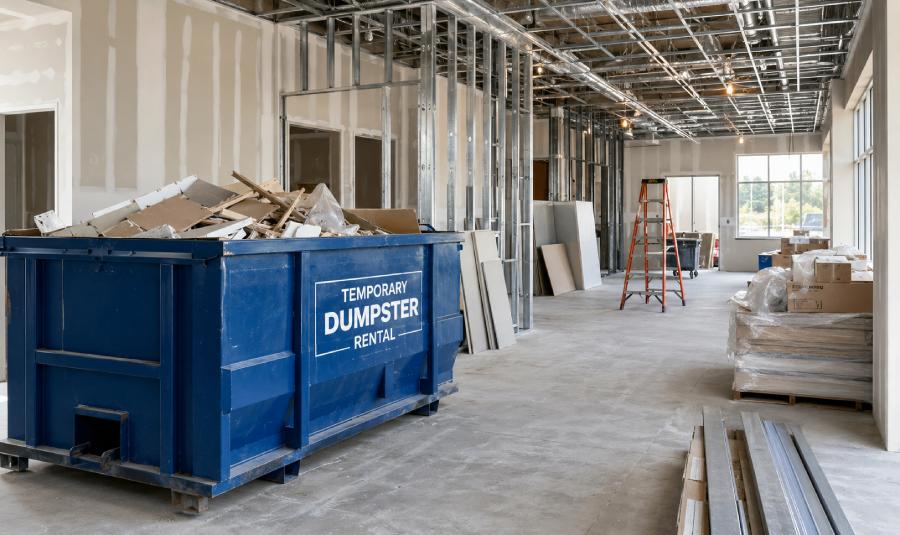
Interior construction and tenant build-out projects require contractors to manage tight schedules, multiple subcontractors, and limited workspace while transforming unfinished or outdated interiors into functional commercial or residential spaces. Whether the project involves office suites, retail stores, restaurants, medical offices, apartment units, or mixed-use developments, waste management plays a major role in maintaining productivity throughout the build.
Unlike exterior construction, interior projects often have restricted access, shared hallways, loading docks, elevators, and limited staging areas. As demolition debris, packaging materials, drywall scraps, flooring waste, and installation offcuts accumulate, they can quickly interfere with daily operations if not managed properly. Developing a thoughtful dumpster rental strategy before construction begins helps contractors maintain cleaner worksites, improve labor efficiency, and keep projects moving according to schedule.
Why Interior Build-Out Projects Generate Continuous Debris
Interior construction creates waste from the first day of demolition through the final stages of installation. Existing walls, flooring, ceiling systems, cabinetry, fixtures, and mechanical components are often removed before reconstruction begins.
As framing, electrical work, plumbing, HVAC installation, drywall, flooring, painting, and finish carpentry progress, new debris continues to accumulate. Packaging from delivered materials adds another layer of waste throughout the project.
Because debris is generated during every phase, contractors need a disposal strategy that supports continuous cleanup rather than occasional large-scale removal.
Planning Dumpster Needs Before Construction Begins
The most efficient interior projects begin with a waste management plan developed during pre-construction. Contractors should evaluate the project scope, estimate debris volume, identify available access points, and determine how materials will move from interior work areas to the dumpster.
Planning should also include dumpster placement, service frequency, debris transport routes, and coordination with building management when working in occupied facilities. Addressing these details before demolition begins helps eliminate many common logistical challenges later.
Preparation creates a smoother workflow throughout the project.
Choosing the Best Dumpster Location
Dumpster placement can have a major impact on labor efficiency during interior construction. Containers should be positioned close enough to reduce hauling distances while remaining clear of delivery zones, fire lanes, pedestrian traffic, and active work areas.
For projects inside occupied buildings, contractors should also consider loading dock access, elevator locations, and designated debris routes. Working with providers such as Temporary Dumpster helps contractors coordinate dumpster placement that supports efficient cleanup while minimizing disruptions to the surrounding property.
Strategic placement saves time every day of the project.
Coordinating Dumpster Service with Construction Phases
Every stage of an interior build-out generates different amounts of waste. Demolition often produces the largest debris volume, while framing, drywall installation, flooring, and finish work create smaller but steady waste streams.
Contractors should schedule dumpster service around these phases to ensure disposal capacity remains available when needed. Increasing service during high-production periods and adjusting pickups later in the project helps maintain continuous workflow without unnecessary interruptions.
Matching service schedules to project activity supports better overall efficiency.
Managing Demolition Debris Efficiently
The demolition phase typically creates the greatest amount of debris in a short period. Drywall, ceiling tile, flooring, cabinetry, framing materials, and fixtures can quickly overwhelm available workspace if cleanup is delayed.
Contractors should establish procedures for moving demolition debris directly into the dumpster whenever possible. Continuous removal prevents congestion and allows reconstruction to begin more quickly once demolition is complete.
Efficient demolition cleanup helps establish strong project organization from the start.
Supporting Multiple Trades Throughout the Build-Out
Interior construction projects usually involve numerous subcontractors working throughout the schedule. Electricians, plumbers, HVAC technicians, drywall installers, flooring specialists, painters, and finish carpenters all contribute to the project while producing their own waste.
Without consistent cleanup expectations, debris from one trade can interfere with another crew’s productivity. Contractors should establish site-wide waste management procedures and communicate them clearly before work begins.
Standardized cleanup practices improve coordination and reduce delays between project phases.
Keeping Interior Work Areas Organized
Interior construction often takes place in confined environments where every square foot of workspace matters. Hallways, rooms, corridors, and staging areas can become cluttered quickly if debris is not removed consistently.
Maintaining organized workspaces allows contractors to move materials, tools, and equipment more efficiently throughout the project. Clean interiors also improve visibility and help reduce unnecessary obstacles that slow daily operations.
Organization supports both productivity and safer working conditions.
Managing Material Deliveries and Packaging
Modern build-out projects involve frequent deliveries of drywall, doors, flooring, lighting, cabinetry, fixtures, appliances, and finish materials. These products often arrive with cardboard, plastic wrap, pallets, foam, and protective packaging.
Packaging waste should be removed regularly instead of accumulating alongside construction debris. Maintaining organized staging areas helps crews access new materials more efficiently and keeps installation work moving smoothly.
Packaging management is an important part of an effective cleanup strategy.
Working in Occupied Buildings
Many interior build-outs occur in buildings that remain partially occupied during construction. Office buildings, shopping centers, medical facilities, hotels, and apartment communities often continue daily operations while renovations take place.
Contractors should coordinate debris removal around tenant activity whenever possible. Scheduling dumpster service during lower-traffic periods and maintaining designated debris routes helps minimize disruptions while supporting ongoing construction.
Thoughtful planning benefits both building occupants and construction crews.
Reducing Labor Costs Through Direct Disposal
Repeatedly moving debris from one temporary location to another wastes valuable labor hours. Interior projects are especially vulnerable to this problem because space limitations often encourage contractors to create temporary debris piles.
Encouraging direct disposal into the dumpster whenever possible eliminates unnecessary handling and allows workers to focus on productive construction activities. This approach improves labor utilization while helping control overall project costs.
Reducing extra movement supports stronger project efficiency.
Adapting to Changing Project Conditions
Interior construction projects frequently evolve as work progresses. Design revisions, tenant requests, unforeseen building conditions, or hidden structural issues can all increase debris generation and affect cleanup requirements.
Contractors should monitor waste production throughout the project and adjust dumpster service as necessary. Flexible scheduling allows disposal resources to keep pace with changing construction demands without disrupting progress.
Adaptability helps maintain project momentum from beginning to end.
Maintaining a Professional Jobsite
Interior construction projects are often highly visible to property owners, tenants, architects, inspectors, and project managers. Maintaining clean and organized work areas demonstrates professionalism and reinforces confidence in the contractor’s management practices.
Regular debris removal improves site appearance while making it easier to monitor progress and complete inspections. Organized jobsites also contribute to better communication between all parties involved in the project.
Professional site management reflects positively on the contractor throughout construction.
Avoiding Common Dumpster Planning Mistakes
Several common mistakes can reduce efficiency during interior construction projects. These include delaying dumpster delivery until demolition begins, underestimating debris volume, placing containers too far from loading areas, and failing to adjust service schedules as construction progresses.
Another frequent issue is overlooking packaging waste, which can quickly consume valuable staging space during installation phases.
Avoiding these problems requires proactive planning, continuous cleanup, and regular communication between contractors and disposal providers.
Attention to operational details helps keep projects organized and productive.
Supporting Successful Interior Build-Out Projects
Effective dumpster rental strategies contribute directly to smoother interior construction projects. When debris is removed consistently, crews can work more efficiently, work areas remain organized, and project phases transition with fewer delays.
This leads to improved labor productivity, cleaner jobsites, stronger coordination between subcontractors, and better schedule control throughout the build. Contractors who prioritize waste management often complete projects more efficiently while maintaining a higher level of professionalism.
Efficiency improves when dumpster planning is integrated into the overall construction strategy.
Dumpster rental planning is an essential component of successful interior construction and build-out projects. From initial demolition through final installation, waste is generated continuously and must be managed efficiently to support productivity and organization.
By planning disposal needs before construction begins, coordinating service with project phases, maintaining centralized cleanup systems, supporting multiple trades, and adapting to changing project conditions, contractors can keep build-out projects cleaner and more efficient from start to finish.
When waste management is treated as a core operational process, contractors can reduce delays, improve labor efficiency, maintain professional jobsites, and complete interior construction projects with greater consistency, organization, and overall project control.