

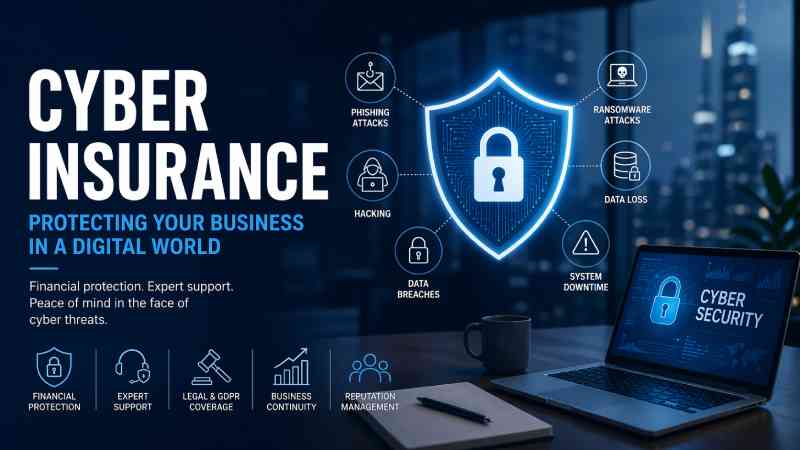
Cyber Insurance has moved from being a niche financial product to an essential layer of protection for modern businesses. In today’s digital-first world, organisations rely heavily on data, cloud systems, and online operations. While this brings efficiency and growth, it also exposes businesses to cyber risks that can be devastating if left unmanaged.
From ransomware attacks to data breaches, cyber incidents are no longer rare events—they are a persistent threat. Cyber Insurance exists to mitigate the financial and operational damage caused by these incidents, helping businesses recover quickly and maintain continuity.
Why Cyber Insurance Is Essential in the UK
The UK has one of the most digitally advanced economies in the world, which also makes it a prime target for cybercriminals. Businesses of all sizes—from small startups to large enterprises—face increasing exposure to cyber threats.
Small and medium-sized enterprises (SMEs) are particularly vulnerable. Many assume they are too small to be targeted, but attackers often prefer smaller businesses due to weaker security measures. A single attack can lead to:
- Loss of customer trust
- Financial damage
- Legal consequences
- Regulatory penalties under GDPR
- Operational downtime
Cyber Insurance helps reduce these risks by transferring the financial burden to insurers and providing access to expert support during incidents.
What Cyber Insurance Covers
First-Party Coverage
First-party coverage protects your own business against direct losses. This includes:
- Data loss or corruption
- Business interruption due to system outages
- Costs of restoring systems and data
- Ransomware payments (depending on policy)
- Crisis management expenses
For example, if your systems are locked by ransomware, Cyber Insurance may cover the cost of recovery, negotiation, or even ransom payment if legally permitted.
Third-Party Liability
When your business impacts others due to a cyber incident, third-party liability coverage comes into play. This includes:
- Legal claims from customers
- Compensation for data breaches
- Regulatory fines and penalties
- Legal defence costs
This is particularly important for businesses handling sensitive customer data, such as financial or healthcare information.
Incident Response Services
One of the most valuable aspects of Cyber Insurance is access to expert response teams. These services often include:
- Digital forensic investigations
- Legal advisory
- Public relations support
- Notification management for affected customers
These services can be the difference between a controlled response and a full-scale business crisis.
Types of Cyber Threats Covered
Cyber Insurance policies typically protect against a wide range of threats, including:
- Phishing attacks
- Malware and viruses
- Ransomware attacks
- Distributed Denial of Service (DDoS) attacks
- Insider threats
- Data breaches
Each of these threats can have severe financial and reputational consequences, making comprehensive coverage essential.
What Cyber Insurance Does Not Cover
While Cyber Insurance is extensive, it does have limitations. Common exclusions include:
- Poor cybersecurity practices
- Failure to maintain basic security standards
- Known vulnerabilities left unpatched
- Intentional misconduct
- Certain nation-state cyberattacks
Insurers expect businesses to maintain a minimum level of cybersecurity hygiene. Without it, claims may be denied.
How Cyber Insurance Works
The process of obtaining and using Cyber Insurance involves several key steps:
1. Risk Assessment
Insurers evaluate your business’s cybersecurity posture. This includes:
- Use of multi-factor authentication (MFA)
- Backup systems
- Employee training
- Firewall and antivirus protection
2. Policy Customisation
Based on your risk profile, insurers tailor a policy that fits your needs. Coverage limits, premiums, and exclusions are defined at this stage.
3. Incident Occurrence
If a cyber incident occurs, you must notify your insurer immediately. Quick reporting is critical to ensure coverage.
4. Claim and Response
The insurer activates its response team and covers eligible costs, helping your business recover efficiently.
Cyber Insurance vs Personal Liability Insurance UK
Many business owners confuse Cyber Insurance with Personal Liability Insurance UK, but they serve very different purposes.
- Personal Liability Insurance UK protects individuals against claims of injury or damage caused to others.
- Cyber Insurance focuses specifically on digital risks, data breaches, and cyberattacks.
While both are important, Cyber Insurance addresses a completely different category of modern risk.
Key Benefits of Cyber Insurance
Financial Protection
Cyber incidents can cost thousands—or even millions—of pounds. Cyber Insurance ensures that these costs do not cripple your business.
Business Continuity
With coverage for downtime and recovery, businesses can resume operations faster after an incident.
Expert Support
Access to legal, technical, and PR experts helps manage crises effectively.
Regulatory Compliance
Cyber Insurance often includes support for GDPR compliance, reducing the risk of fines.
Reputation Management
Public relations support helps protect your brand image after a breach.
Who Needs Cyber Insurance?
Cyber Insurance is essential for a wide range of businesses, including:
- E-commerce stores
- SaaS companies
- Financial institutions
- Healthcare providers
- Marketing agencies
- Any business handling customer data
Even freelancers and small businesses can benefit, especially if they store client information online.
Cyber Insurance Requirements in the UK
To qualify for Cyber Insurance, businesses must meet certain security standards. These often include:
- Strong password policies
- Multi-factor authentication
- Regular data backups
- Employee cybersecurity training
- Up-to-date software and patching
Failing to meet these requirements can lead to higher premiums or rejected claims.
How Much Does Cyber Insurance Cost?
The cost of Cyber Insurance varies based on several factors:
- Business size and revenue
- Industry risk level
- Data sensitivity
- Security infrastructure
- Coverage limits
Small businesses in the UK may pay a few hundred pounds annually, while larger organisations may pay significantly more.
Choosing the Right Cyber Insurance Provider
Selecting the right provider is crucial. One well-known insurer in the UK market is Hiscox Insurance, which offers tailored cyber policies for businesses of various sizes.
When choosing a provider, consider:
- Coverage scope
- Claims process efficiency
- Incident response support
- Industry experience
- Customer reviews
A good insurer acts as a partner, not just a financial backstop.
Cyber Insurance for Small Businesses
Small businesses often underestimate their cyber risk. However, they are frequently targeted due to weaker security systems.
Cyber Insurance for small businesses provides:
- Affordable protection
- Access to expert support
- Coverage tailored to smaller operations
For many SMEs, Cyber Insurance is not just protection—it is survival.
Common Mistakes to Avoid
When purchasing Cyber Insurance, businesses often make these mistakes:
- Underestimating coverage needs
- Ignoring policy exclusions
- Failing to meet security requirements
- Choosing the cheapest policy without understanding coverage
- Not updating policies as the business grows
Avoiding these mistakes ensures you get maximum value from your policy.
Future of Cyber Insurance
As cyber threats evolve, Cyber Insurance is also changing. Insurers are becoming more selective, requiring stronger security measures before offering coverage.
Emerging trends include:
- Integration with cybersecurity tools
- Real-time risk monitoring
- AI-driven threat assessment
- More detailed underwriting processes
Businesses must stay proactive to remain eligible for coverage.
FAQs
1. What does Cyber Insurance typically cover?
Cyber Insurance covers data breaches, ransomware attacks, business interruption, legal costs, and recovery expenses after a cyber incident.
2. Is Cyber Insurance worth it for small businesses?
Yes, small businesses are frequent targets of cyberattacks, and Cyber Insurance provides affordable protection against potentially devastating losses.
3. How quickly can a Cyber Insurance claim be processed?
It depends on the insurer and the complexity of the incident, but many providers offer immediate response services to minimise damage.
4. Does Cyber Insurance cover GDPR fines?
Some policies include coverage for regulatory fines, but this depends on the terms and legal allowances.
5. Can Cyber Insurance prevent cyberattacks?
No, Cyber Insurance does not prevent attacks. It helps businesses recover financially and operationally after an incident.
Conclusion
Cyber Insurance has become a cornerstone of modern business protection in the UK. As digital threats continue to grow in scale and sophistication, relying solely on internal security measures is no longer enough.
By combining strong cybersecurity practices with a well-structured Cyber Insurance policy, businesses can safeguard their finances, reputation, and long-term stability. Whether you are a small business owner or managing a large enterprise, investing in Cyber Insurance is a strategic decision that prepares you for the realities of today’s digital landscape.