

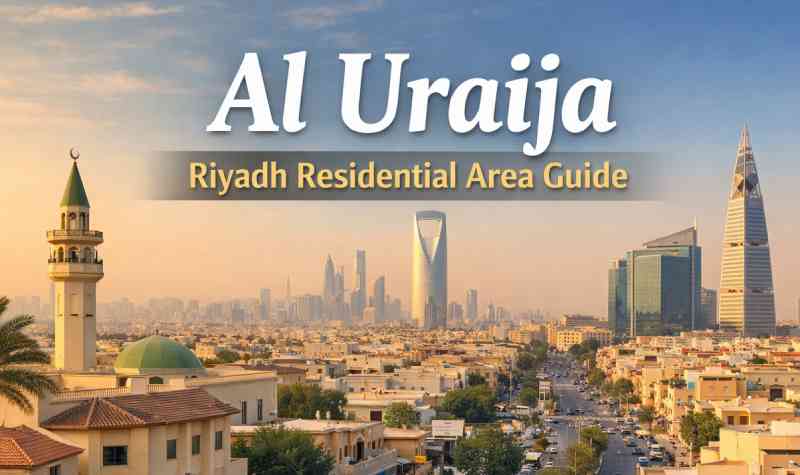
Al Uraija is a well-known residential area in the western part of Riyadh, Saudi Arabia. Over the years, it has developed a strong identity as a settled, family-oriented neighbourhood that balances traditional community life with the realities of a growing modern capital. While it may not always dominate headlines like some of Riyadh’s newly built districts, al uraija plays an important role in the city’s urban fabric and continues to attract residents due to its location, affordability, and established infrastructure.
Location and Urban Setting of Al Uraija
Al uraija sits on the western side of Riyadh, forming part of a broader group of neighbourhoods that serve as residential hubs for families, professionals, and long-term residents. Its location places it within reasonable driving distance of central Riyadh, while still offering a calmer environment compared to the city’s busiest commercial districts.
The area benefits from its position near major roads that connect West Riyadh to other parts of the capital. This makes al uraija a practical choice for people who work in different zones of the city but prefer to live in a quieter, more community-focused area. Over time, the neighbourhood has grown organically, resulting in a mix of older streets and newer developments.
A Brief Background and Development
Al uraija has evolved alongside Riyadh’s rapid expansion. In earlier decades, it was primarily known as a low-density residential area with modest housing. As Riyadh grew outward, al uraija became more integrated into the urban core rather than remaining on the city’s edge.
This gradual development has given the area a mature character. Unlike newly planned districts that may still lack services, al uraija already has established utilities, road networks, mosques, and local markets. This maturity is one of the main reasons many residents prefer it, especially families seeking stability rather than rapid change.
Residential Life in Al Uraija
Housing Types and Architecture
Housing in al uraija reflects its long history. The area includes:
Traditional single-storey and double-storey houses
Family villas with private courtyards
Smaller apartment buildings in selected streets
Many homes were built to suit extended family living, which remains common in Saudi culture. This makes al uraija particularly appealing to families who value space and privacy. Renovations and rebuilds are also common, with older houses being modernised to meet current living standards.
Community Atmosphere
One of the defining features of al uraija is its community-oriented atmosphere. Neighbours often know each other, local shops are familiar, and daily life moves at a more relaxed pace than in commercial districts. Mosques play a central role in community interaction, and daily routines are shaped around prayer times and family schedules.
This sense of familiarity is difficult to replicate in newer developments, which is why al uraija continues to attract long-term residents.
Daily Amenities and Services
Shopping and Local Markets
Al uraija is well served by neighbourhood shops, grocery stores, and small markets. Residents typically rely on nearby supermarkets for daily needs, while larger shopping centres in West and Central Riyadh are easily accessible by car.
Local businesses such as bakeries, tailoring shops, and phone repair stores are common, contributing to the area’s self-sufficient feel. This reduces the need for long commutes for everyday errands.
Education and Schools
Families in al uraija have access to a range of educational options. Several public and private schools operate within or near the neighbourhood, catering to different curricula. This availability makes al uraija a practical choice for households with school-aged children.
While universities are generally located elsewhere in Riyadh, the area’s road connectivity allows students to commute without major difficulty.
Healthcare Access
Basic healthcare needs are met through nearby clinics and medical centres. Larger hospitals and specialised facilities are accessible within a short drive, ensuring residents are not isolated from essential medical services.
This balance between local clinics and access to major hospitals adds to the overall convenience of living in al uraija.
Transportation and Connectivity
Al uraija is primarily car-oriented, like much of Riyadh. Most households rely on private vehicles for commuting, shopping, and social activities. The neighbourhood connects to main roads that lead toward central Riyadh, business districts, and industrial areas.
Public transportation options in Riyadh are expanding, and future improvements may further enhance connectivity for residents of al uraija. For now, the area remains best suited for those comfortable with car travel.
Lifestyle and Cultural Character
Family-Focused Living
Life in al uraija revolves around family. Streets are generally quieter, and residential zones are designed to prioritise privacy. This makes the neighbourhood particularly attractive to married couples and multi-generational families.
Children often play within private courtyards or nearby streets, and social life tends to be centred around family gatherings rather than nightlife or entertainment venues.
Cultural Continuity
Al uraija maintains a strong sense of traditional Saudi culture. Daily routines, community interactions, and even architectural styles reflect long-standing customs. At the same time, residents benefit from modern conveniences such as high-speed internet, updated utilities, and proximity to commercial centres.
This blend of tradition and modern living defines the area’s identity.
Real Estate Perspective
Demand and Property Value
Al uraija remains in steady demand due to its established nature and strategic location. While property prices may be lower than in some of Riyadh’s newer premium districts, the area offers good long-term value, particularly for buyers seeking family homes rather than investment properties.
Rental demand is also consistent, especially among families and workers employed in West Riyadh.
Renovation and Redevelopment
Many property owners in al uraija choose to renovate older homes rather than relocate. This trend has gradually improved the quality of housing while preserving the neighbourhood’s character. Newer constructions often blend modern design with traditional layouts, catering to current lifestyle needs.
Future Outlook for Al Uraija
As Riyadh continues to expand and modernise, established neighbourhoods like al uraija are likely to benefit from broader urban improvement initiatives. Infrastructure upgrades, improved road networks, and enhanced public services may further increase the area’s appeal.
Rather than undergoing dramatic transformation, al uraija’s future is expected to focus on gradual improvement, maintaining its role as a stable residential district within a rapidly changing city.
FAQs
Is al uraija a good area for families?
Yes, al uraija is widely considered family-friendly due to its quiet streets, spacious homes, and strong community environment.
Where is al uraija located in Riyadh?
Al uraija is located in West Riyadh, with convenient access to major roads connecting it to central and other western districts.
What type of housing is common in al uraija?
The area mainly features family houses and villas, with some apartment buildings in selected parts of the neighbourhood.
Is al uraija suitable for long-term living?
Al uraija is well suited for long-term residents who value stability, community ties, and established infrastructure.
Does al uraija have easy access to services?
Yes, residents have access to schools, clinics, local markets, and major facilities within a short driving distance.
Conclusion
Al uraija stands as an example of a mature, well-established residential neighbourhood in Riyadh. Its appeal lies not in luxury branding or rapid development, but in stability, family-focused living, and a strong sense of community. For those seeking a balanced lifestyle in West Riyadh, al uraija continues to be a dependable and attractive choice, offering comfort, accessibility, and cultural continuity within Saudi Arabia’s capital city.