

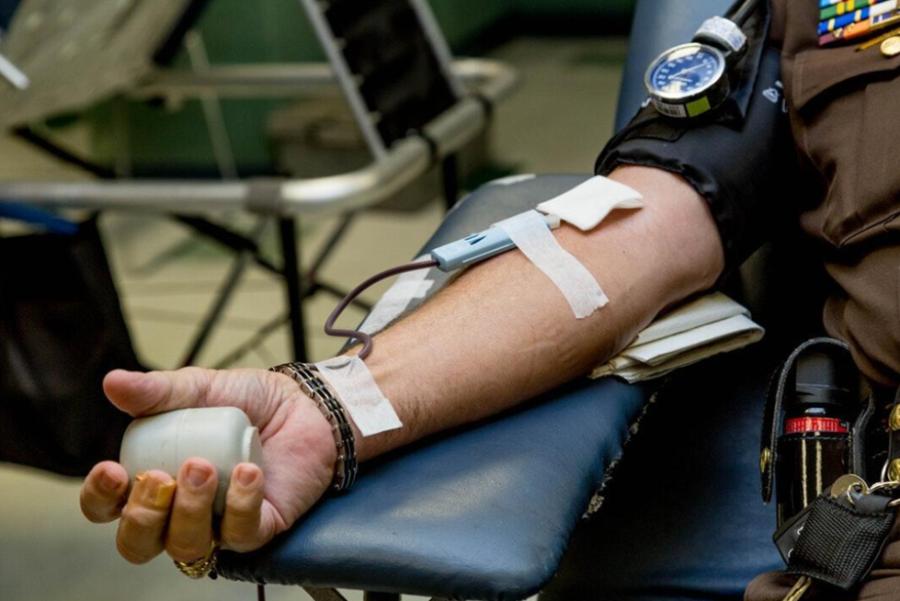
Have you ever thought about how workers stay safe when they may come into contact with blood or other body fluids?
Bloodborne pathogen training helps people learn the right safety steps. It reduces the risk of exposure and supports a safer workplace. Many jobs require workers to understand these safety rules.
Proper training helps people stay prepared for daily tasks. Start learning these important practices and build a stronger safety culture.
Learn What Bloodborne Pathogens Are
Training begins with understanding bloodborne pathogens. Common examples include hepatitis B, hepatitis C, and HIV. Workers learn how these diseases spread. This knowledge helps them recognize possible dangers in the workplace.
Understanding the basics is the first step toward prevention. Employees become more aware of situations that may involve exposure. Workers also learn where exposure can happen. Risks may exist in hospitals, clinics, schools, and emergency response settings.
Understand Exposure Risks
The next step is learning how exposure occurs. Bloodborne pathogens can enter the body through cuts, punctures, or contact with mucous membranes. Workers need to know which situations increase the chance of exposure. Awareness is an important part of prevention.
Understanding these risks helps employees avoid unsafe actions. It also encourages them to follow safety procedures consistently. Training explains how to identify unsafe conditions. It teaches workers to report hazards and follow safety rules.
Follow Proper Safety Procedures
Safety procedures are a key part of bloodborne pathogen training. Workers learn how to use protective equipment correctly. Gloves, masks, and protective clothing help lower exposure risks. Following these procedures protects both workers and the people around them.
Proper use of safety equipment can prevent many workplace incidents. Employees also learn when protective equipment should be replaced. Many organizations use trusted resources such as cprcertificationnow.com to support safety education.
Learn Safe Cleanup and Disposal Methods
Proper cleanup is important after an exposure incident. Training teaches workers how to handle contaminated materials safely. Special containers are used for sharp objects and medical waste. Correct disposal reduces the chance of further exposure.
Workers learn the importance of following established procedures. Safe handling practices help protect everyone in the workplace. Workers also learn cleaning and disinfecting procedures. These methods help remove harmful contaminants from surfaces.
Respond Correctly to Exposure Incidents
Even with precautions, exposure incidents can happen. Training explains what actions should be taken immediately. Quick reporting and proper response can reduce health risks. Workers learn how to follow workplace protocols after an incident. They also learn why fast action is important. Immediate reporting can help ensure proper medical evaluation.
Understanding response procedures improves confidence. Employees know what to do in stressful situations. This preparation supports faster action and better outcomes. It is an important part of workplace safety programs.
All About Bloodborne Pathogen Training
Bloodborne pathogen training is an essential part of workplace safety. It helps workers understand risks, use protective measures, and respond correctly to incidents. Proper education reduces exposure risks and supports a healthier environment.
Did you enjoy reading this article? If so, then be sure to check out the rest of our blog for more!