

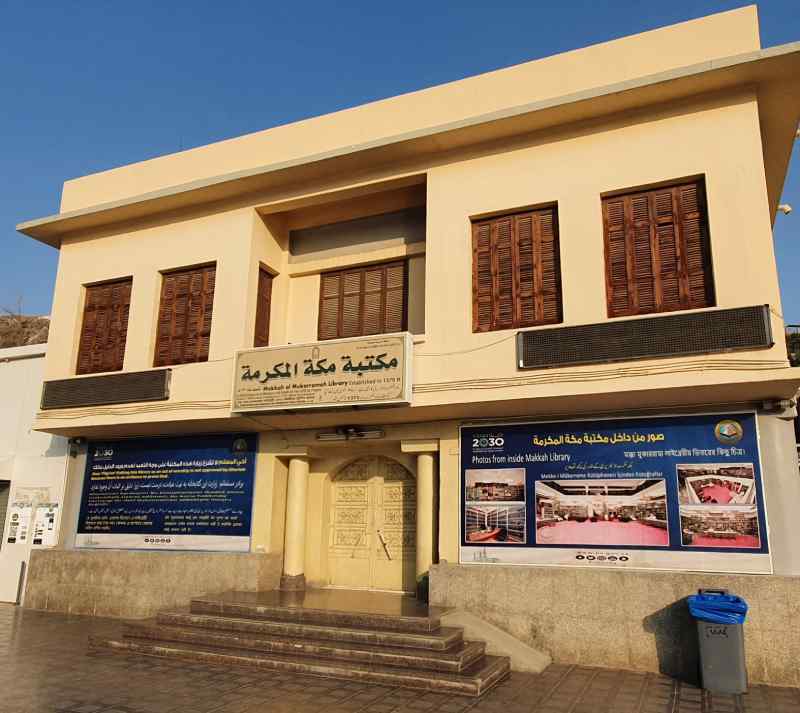
In the heart of the holy city of Makkah stands a quiet yet deeply meaningful landmark known as the Makkah Al Mukarramah Library. While millions of pilgrims travel annually to perform Hajj and Umrah, many remain unaware that just a short distance from Masjid al-Haram lies a site connected to one of the most important moments in Islamic history. This modest building carries layers of historical, spiritual, and scholarly importance that extend far beyond its physical appearance.
Unlike grand mosques or towering modern structures surrounding the Haram, this library represents preservation rather than expansion. It symbolizes the effort to protect Islamic heritage while maintaining respect for religious principles. Understanding its background offers a fascinating glimpse into how history, faith, and education intersect in one of the world’s most sacred locations.
Historical Origins of the Site
The Birthplace Tradition
The location associated with the Makkah Al Mukarramah Library is widely believed by historians and traditional Islamic sources to mark the birthplace of Prophet Muhammad ﷺ, born around 571 CE, known as the Year of the Elephant. The house that once stood here belonged to the family of Banu Hashim, the noble clan of Quraysh.
For centuries, residents of Makkah recognized this location as Bayt al-Mawlid, meaning “House of Birth.” Early Muslim historians documented the site, and travelers visiting Makkah during different Islamic eras described it as a known historical point connected with the Prophet’s early life.
Although physical structures changed over time due to rebuilding and urban development, the memory of the location remained preserved through scholarly records and oral tradition.
From Private Residence to Historical Landmark
During early Islamic periods, the original house passed through multiple owners. Over generations, it gradually transformed from a private residence into a recognized historical site. Some rulers maintained the building respectfully, while others allowed natural urban changes to reshape the area.
By the Ottoman era, the location had become an acknowledged historical reference point visited by scholars and travelers interested in Islamic history rather than ritual worship.
Transformation into a Public Library
Establishment in the 20th Century
In the mid-20th century, Saudi authorities made a significant decision regarding the site’s future. Instead of turning it into a shrine or monument, the area was converted into a library dedicated to Islamic learning and research.
This transformation led to the creation of the Makkah Al Mukarramah Library as a public institution. The intention was both practical and theological: preserve the historical significance while encouraging education rather than practices that could lead to religious innovation or excessive veneration.
The library officially opened during the 1950s after generous contributions of books and manuscripts from scholars and benefactors who aimed to support Islamic scholarship in the holy city.
Purpose Behind the Decision
The choice to establish a library served several goals:
- Protect the historical location respectfully
- Promote knowledge and research
- Maintain Islamic principles regarding historical sites
- Prevent commercialization or misuse of sacred heritage
This approach reflects a broader philosophy within Saudi heritage management: preserving history through education rather than monumentalization.
Architectural Features and Design
A Modest Exterior with Deep Meaning
Visitors often feel surprised when they first see the building. The structure does not resemble a grand historical monument. Instead, it appears simple and functional, blending into the surrounding urban environment.
This modest design is intentional. The building avoids elaborate decoration to maintain humility and focus attention on knowledge rather than architecture.
Key characteristics include:
- Rectangular structural layout
- Traditional yet minimal façade
- Study halls and reading rooms
- Storage areas for manuscripts and books
The simplicity reinforces the idea that intellectual heritage holds greater value than visual grandeur.
Interior Layout
Inside, the building is organized to support research and preservation. Areas typically include:
- Main reading halls
- Archive sections
- Manuscript preservation rooms
- Administrative offices
Access to certain sections may be restricted to researchers and scholars to ensure the protection of rare materials.
Collections and Academic Importance
Manuscripts and Rare Works
One of the most valuable aspects of the Makkah Al Mukarramah Library is its collection of Islamic literature. Over decades, scholars and institutions contributed texts covering a wide range of subjects.
The collection includes:
- Qur’anic sciences
- Hadith compilations
- Islamic jurisprudence
- Arabic language studies
- History of Makkah and early Islam
- Classical theological works
Some manuscripts date back several centuries, offering researchers insight into intellectual traditions across different Islamic eras.
Role in Islamic Scholarship
The library functions as a quiet academic hub rather than a tourist attraction. Scholars studying Islamic civilization often consult its resources when researching Makkah’s historical development or early Islamic society.
Students and researchers benefit from access to specialized texts rarely found in ordinary public libraries. This scholarly function ensures the site remains active and relevant rather than purely symbolic.
Spiritual Significance for Muslims
Connection to the Prophet’s Life
For many Muslims, the emotional importance of the location goes beyond historical curiosity. The association with the birth of Prophet Muhammad ﷺ creates a powerful spiritual connection.
Visitors passing by often reflect on:
- The humble beginnings of Islam
- The early life of the Prophet
- The transformation of Makkah from tribal society to spiritual center
Even without formal religious rituals associated with the site, its presence inspires contemplation and gratitude.
Respect Without Ritualization
Islam emphasizes avoiding practices that elevate historical locations into objects of worship. The establishment of the library supports remembrance while maintaining theological balance.
This careful approach allows Muslims to appreciate history without compromising religious principles.
Cultural and Heritage Preservation
Protecting Makkah’s Historical Identity
Modern Makkah continues to evolve rapidly with expanding infrastructure designed to accommodate millions of pilgrims. Amid skyscrapers and modern hotels, preserving historical locations presents a significant challenge.
The Makkah Al Mukarramah Library represents an effort to safeguard cultural memory within a changing urban landscape.
It reminds visitors that Makkah’s importance is not only spiritual but also historical and intellectual.
Educational Value for Future Generations
By functioning as a learning center, the library ensures younger generations understand Islamic history through authentic sources rather than legends or assumptions.
Educational preservation helps maintain continuity between past and present Muslim communities worldwide.
Differences Between the Library and Other Religious Institutions
Many visitors confuse this site with libraries located inside Masjid al-Haram. However, they serve different purposes.
- Haram libraries focus on religious study for pilgrims.
- This institution preserves a historically significant location while supporting scholarship.
Understanding this distinction helps clarify why the building exists in its current form.
Visitor Experience and Accessibility
What Visitors Can Expect
Pilgrims often encounter the building while exploring streets near the Haram. From the outside, it appears calm and understated compared to the surrounding bustle.
Visitors typically observe:
- A modest structure amid modern development
- Informational signage
- Restricted interior access depending on regulations
The experience is more reflective than touristic.
Best Time to Visit the Area
Early mornings or non-peak hours allow visitors to appreciate the surroundings peacefully. During Hajj seasons, crowds make extended viewing more difficult.
Even a brief stop provides meaningful historical awareness.
Modern Relevance in the Digital Age
Preserving Knowledge in Contemporary Times
As digital libraries expand globally, traditional institutions continue to play an essential role in safeguarding original manuscripts. Physical archives remain irreplaceable for researchers studying handwriting styles, paper materials, and historical annotations.
The Makkah Al Mukarramah Library contributes to this preservation effort by maintaining original sources connected to Islamic intellectual heritage.
Bridging Tradition and Modern Scholarship
Modern researchers increasingly combine digital tools with classical archives. Institutions like this library bridge centuries of scholarship, allowing historical texts to inform contemporary academic discussions.
Why the Library Matters Today
The significance of the Makkah Al Mukarramah Library extends beyond religious sentiment. It represents:
- Respectful preservation of sacred history
- Commitment to education and scholarship
- Balance between tradition and modernity
- Protection of cultural identity within rapid urban change
In an era where historical sites often become commercial attractions, this institution stands as an example of thoughtful preservation guided by religious values.
FAQs
1. Is the library confirmed as the exact birthplace of Prophet Muhammad ﷺ?
Many historians and traditional sources associate the site with the Prophet’s birthplace, though historical certainty relies on early records and long-standing scholarly consensus rather than archaeological proof.
2. Can tourists enter the building freely?
Access varies depending on regulations. Some sections may be limited to researchers, while visitors can usually view the exterior.
3. Why was a library built instead of a monument?
The decision promotes education and prevents practices that might turn the location into a place of ritual veneration.
4. Does the library still function academically today?
Yes, it continues to serve scholars and researchers interested in Islamic studies and the history of Makkah.
5. Is visiting the site part of Hajj or Umrah rituals?
No, visiting is not a religious requirement. It is purely historical and educational.
Conclusion
The Makkah Al Mukarramah Library stands quietly within one of the busiest religious cities on Earth, yet its importance cannot be measured by size or visibility. Built upon a location deeply connected to Islamic history, it transforms remembrance into learning and reverence into knowledge.
By choosing preservation through scholarship rather than monumentality, the site reflects a uniquely balanced approach to heritage. It honors the past while guiding future generations toward understanding rather than mythmaking.