

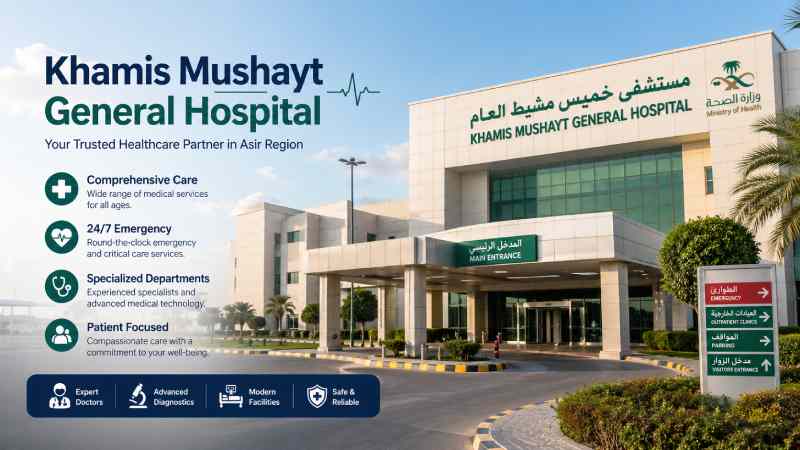
Khamis Mushayt General Hospital is one of the most important public healthcare institutions in the southern part of Saudi Arabia. Located in the vibrant city of Khamis Mushayt, the hospital serves a wide population that includes residents from nearby cities like Abha and surrounding rural areas. Its accessibility and strategic placement make it a central hub for healthcare in the region.
The hospital operates under the authority of the Saudi Ministry of Health, ensuring that it follows national healthcare standards and policies. This affiliation guarantees that services are affordable, regulated, and aligned with the country’s healthcare vision. It also allows the hospital to benefit from continuous government support and funding.
History and Development of the Hospital
The history of Khamis Mushayt General Hospital reflects the rapid development of healthcare infrastructure in Saudi Arabia. When it was first established, the hospital was designed to meet the basic medical needs of a growing population. Facilities were limited, and the focus was mainly on primary care and emergency services.
As the population of Khamis Mushayt expanded, the demand for better healthcare services increased significantly. This led to multiple phases of development, where new buildings, departments, and technologies were added. The government recognized the importance of strengthening healthcare in the Asir region and invested heavily in upgrading the hospital.
Today, the hospital stands as a modern healthcare institution equipped with advanced medical technologies and specialized departments. Its journey from a small facility to a major hospital highlights the success of long-term planning and commitment to public health.
Medical Services and Specialties
Khamis Mushayt General Hospital offers a broad spectrum of medical services designed to address various health conditions. One of its key strengths is its ability to provide multidisciplinary care, where specialists from different fields collaborate to treat patients effectively.
The hospital includes core departments such as internal medicine, general surgery, pediatrics, and obstetrics and gynecology. These departments handle common health issues and provide essential medical care for patients of all ages. Each department is staffed with qualified professionals who bring expertise and experience to their roles.
In addition to these primary services, the hospital also offers specialized care in areas like cardiology, orthopedics, ENT, ophthalmology, and urology. Diagnostic services, including laboratory testing and imaging, support these specialties by enabling accurate diagnosis and effective treatment planning.
Emergency and Critical Care Facilities
Emergency care is a vital component of Khamis Mushayt General Hospital’s services. The hospital operates a 24/7 emergency department that is equipped to handle a wide range of urgent medical situations. From accidents and trauma cases to sudden illnesses, the emergency unit is prepared to provide immediate care.
The emergency department is staffed by trained healthcare professionals who specialize in acute care. Their ability to respond quickly and efficiently ensures that patients receive timely treatment, which is crucial in life-threatening situations. Advanced equipment and well-established protocols further enhance the effectiveness of emergency services.
The hospital also features critical care units, including intensive care and neonatal care. These units are designed to provide continuous monitoring and specialized treatment for patients with severe conditions. The presence of such facilities ensures that even the most critical cases can be managed effectively within the hospital.
Advanced Technology and Diagnostic Services
Modern healthcare depends heavily on technology, and Khamis Mushayt General Hospital has embraced this aspect fully. The hospital is equipped with advanced diagnostic tools that help in identifying medical conditions accurately and efficiently.
Imaging technologies such as X-rays, CT scans, MRI, and ultrasound are available to support diagnosis and treatment. These tools allow doctors to gain detailed insights into a patient’s condition, leading to better clinical decisions. The availability of such technologies reduces the need for patients to travel to other cities for advanced diagnostics.
Laboratory services also play a crucial role in patient care. The hospital’s labs are capable of conducting a wide range of tests, from routine blood work to specialized analyses. Quick and reliable results help doctors initiate treatment promptly, improving patient outcomes.
Role in the Asir Region Healthcare System
Khamis Mushayt General Hospital plays a central role in the healthcare system of the Asir region. As a major public hospital, it handles a high volume of patients and provides services that are not always available in smaller healthcare centers.
The hospital works in coordination with other healthcare facilities, including primary care clinics and specialized hospitals. This network ensures that patients receive appropriate care at every stage, from initial diagnosis to advanced treatment. Referrals and collaborations help optimize resources and improve efficiency.
Beyond treatment, the hospital is actively involved in public health initiatives. It participates in vaccination programs, health awareness campaigns, and preventive care efforts. These activities contribute to the overall well-being of the community and help reduce the prevalence of diseases.
Patient Experience and Quality of Care
Patient experience is a major focus at Khamis Mushayt General Hospital. The hospital aims to provide not only effective medical treatment but also a supportive and comfortable environment for patients. Staff members are trained to communicate clearly and compassionately, ensuring that patients understand their conditions and treatment options.
Efforts are made to improve the overall patient journey, from registration to discharge. Reducing waiting times, maintaining cleanliness, and ensuring organized processes are all part of the hospital’s commitment to quality care. These measures help create a positive experience for patients and their families.
Feedback from patients is taken seriously and used to identify areas for improvement. Continuous evaluation and adjustments ensure that the hospital maintains high standards and adapts to changing patient needs.
Challenges and Continuous Improvements
Despite its many strengths, Khamis Mushayt General Hospital faces certain challenges. High patient volumes can sometimes lead to overcrowding and longer waiting times. Managing these challenges requires efficient planning and resource management.
Keeping up with advancements in medical technology is another challenge. The hospital must continuously invest in new equipment and training to stay current with modern healthcare practices. This requires significant financial and organizational effort.
However, the hospital remains committed to continuous improvement. Regular assessments, staff training programs, and government support help address these challenges effectively. The focus on improvement ensures that the hospital continues to provide reliable and high-quality care.
Future Outlook and Expansion Plans
The future of Khamis Mushayt General Hospital looks promising as Saudi Arabia continues to invest in its healthcare sector. Under national development initiatives, the hospital is expected to undergo further expansion and modernization.
Future plans may include the addition of new specialties, expansion of existing departments, and integration of advanced technologies such as telemedicine. These developments aim to improve accessibility and efficiency, making healthcare more convenient for patients.
The hospital is also likely to strengthen its role in medical research and education. By collaborating with academic institutions, it can contribute to the advancement of medical knowledge and the training of future healthcare professionals.
Conclusion
Khamis Mushayt General Hospital stands as a vital pillar of healthcare in the Asir region. Its journey from a small medical facility to a comprehensive hospital reflects the broader progress of Saudi Arabia’s healthcare system.
With its wide range of services, advanced technology, and dedicated staff, the hospital continues to provide essential care to thousands of patients. Its role in emergency services, specialized treatments, and public health initiatives makes it an indispensable part of the community.