

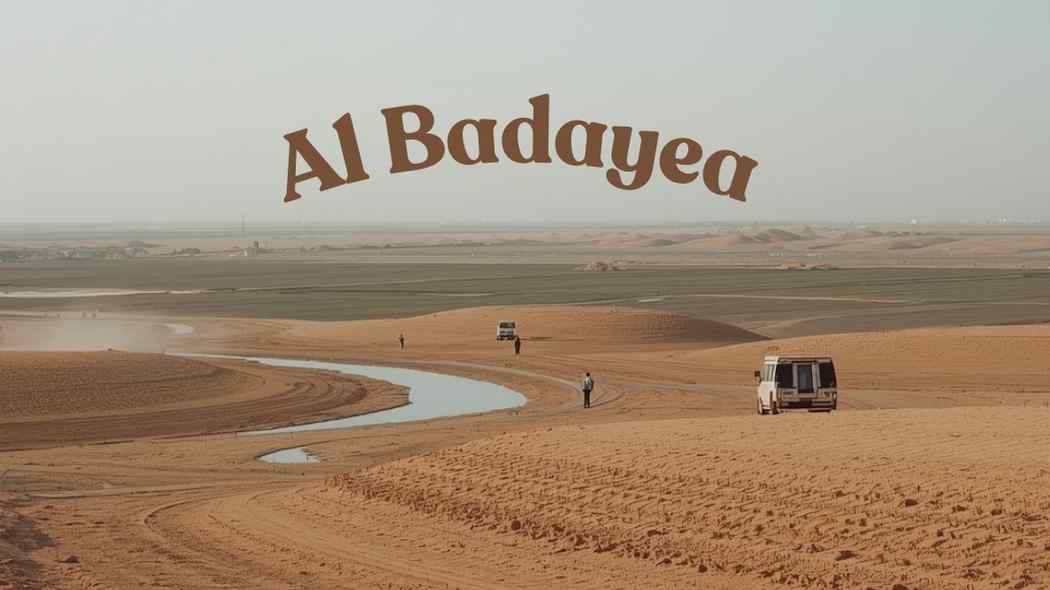
Al Badayea is a lesser-known yet deeply significant governorate in the Al-Qassim Region of Saudi Arabia. While major cities like Riyadh and Jeddah often dominate discussions about development and lifestyle in the Kingdom, Al Badayea quietly plays a vital role in sustaining the country’s agricultural backbone. Its identity is rooted in tradition, simplicity, and a strong connection to the land.
The city is not designed for flashy tourism or rapid urban expansion. Instead, it offers a balanced life centered around community, farming, and steady development. This makes it particularly interesting for those who want to understand the real, non-commercial side of Saudi Arabia. It is a place where cultural authenticity remains intact while modern infrastructure gradually evolves.
Geographic Location and Strategic Importance
Al Badayea is located in the central part of the Qassim region, which is widely known for its fertile lands and agricultural productivity. The region itself lies in the heart of Saudi Arabia, making it strategically positioned between major cities. This central location has historically contributed to its importance as a farming and trading hub.
The city is situated relatively close to Buraydah, the capital of Qassim. This proximity provides residents with access to advanced facilities such as hospitals, universities, and large commercial centers, while still allowing them to enjoy a quieter lifestyle. The road network connecting Al Badayea to surrounding cities is well-maintained, ensuring smooth transportation of goods and people.
From a geographic perspective, the area is characterized by flat terrain and arid climate conditions. However, thanks to irrigation systems and agricultural expertise developed over decades, the land has been transformed into productive farmland. This transformation highlights the resilience and adaptability of local communities in making the most of their environment.
Historical Background and Cultural Roots
The history of Al Badayea is closely tied to the broader development of the Qassim region. Traditionally, it was a settlement built around agriculture and tribal communities. Families lived close to their farms, and social life revolved around shared responsibilities, seasonal harvests, and communal cooperation.
Over time, the town evolved into a recognized governorate, gaining administrative importance and access to government services. Despite these changes, many cultural traditions have been preserved. Hospitality, for instance, remains a defining trait of the people in Al Badayea. Visitors are often welcomed warmly, reflecting the deep-rooted values of Saudi culture.
Cultural practices such as traditional gatherings, local cuisine, and seasonal celebrations continue to play an important role in daily life. These elements create a sense of continuity between the past and present, allowing residents to maintain a strong connection to their heritage even as modernization progresses.
Agriculture: The Backbone of Al Badayea
Agriculture is not just an economic activity in Al Badayea; it is a way of life. The city is widely recognized for its contribution to Saudi Arabia’s food production, particularly in the Qassim region, which is often referred to as the “food basket” of the Kingdom.
Farmers in Al Badayea grow a wide variety of crops, including dates, grapes, citrus fruits, and vegetables. Date farming, in particular, holds special importance due to both its economic value and cultural significance in Saudi Arabia. The quality of dates produced in this region is highly regarded across the country.
Modern farming techniques have gradually been introduced to improve efficiency and yield. Drip irrigation systems, greenhouse farming, and better crop management practices have helped farmers adapt to environmental challenges. Despite these advancements, traditional knowledge continues to guide agricultural practices, ensuring a sustainable balance between innovation and experience.
Lifestyle and Community Living
Life in Al Badayea is calm, structured, and deeply community-oriented. Unlike large urban centers, where life can feel rushed and impersonal, Al Badayea offers a slower pace that allows people to focus on family, work, and social connections.
Families often live close to one another, creating a strong support system. Social interactions are frequent, whether through daily gatherings, shared meals, or community events. This close-knit environment fosters a sense of belonging and mutual respect among residents.
The lifestyle is also influenced by the agricultural nature of the city. Many people are involved directly or indirectly in farming, which shapes daily routines. Early mornings, outdoor work, and seasonal activities are common, giving life a natural rhythm that aligns with the environment.
Economic Development and Opportunities
While agriculture remains the primary economic driver, Al Badayea is gradually expanding its economic base. Small businesses, local markets, and service industries are emerging to support the growing needs of the population.
Government initiatives aimed at regional development have also contributed to improving infrastructure and creating new opportunities. Roads, schools, healthcare facilities, and municipal services have seen steady improvements, making the city more accessible and livable.
For investors and entrepreneurs, Al Badayea offers unique opportunities, especially in agriculture-related sectors. Food processing, supply chain logistics, and agri-tech solutions have the potential to thrive in this environment. The relatively low cost of living and availability of land further enhance its appeal for long-term investments.
Education and Infrastructure
Education in Al Badayea has seen significant improvements over the years. Schools are well-established, and students have access to quality education within the city. For higher education, many residents travel to nearby cities like Buraydah, which hosts universities and specialized institutions.
Infrastructure development has been a priority for local authorities. Roads are well-maintained, and essential services such as electricity, water supply, and internet connectivity are reliable. These improvements have enhanced the overall quality of life and made the city more connected to the rest of the country.
Healthcare services are also available, with local clinics and hospitals providing basic medical care. For specialized treatments, residents can easily access larger medical facilities in nearby urban centers, ensuring that healthcare needs are adequately met.
Tourism and Local Attractions
Al Badayea is not a conventional tourist destination, but it offers unique experiences for those interested in exploring authentic Saudi culture. The natural landscapes, combined with agricultural settings, create a peaceful environment that contrasts with the hustle and bustle of major cities.
Visitors can explore farms, enjoy local produce, and experience traditional hospitality. Seasonal festivals and community events provide additional opportunities to engage with local culture. These gatherings often feature traditional food, music, and activities that reflect the region’s heritage.
The simplicity of Al Badayea is its greatest attraction. It allows visitors to slow down and appreciate the everyday life of a traditional Saudi community, offering insights that are often missed in more commercialized destinations.
Future Growth and Vision
The future of Al Badayea looks promising, especially with the broader goals of Saudi Arabia’s development plans. As part of the Kingdom’s vision to diversify its economy and improve regional development, smaller cities like Al Badayea are receiving increased attention.
Investment in infrastructure, agriculture, and local industries is expected to continue, creating new opportunities for residents. At the same time, efforts are being made to preserve the cultural and environmental aspects that define the city.
Balancing growth with tradition will be key to Al Badayea’s success. By maintaining its agricultural strengths while embracing innovation, the city can position itself as a model for sustainable development in rural and semi-urban areas.
FAQs
What is Al Badayea known for in Saudi Arabia?
Al Badayea is best known for its strong agricultural base, especially date farming and fresh produce. It is considered an important part of the Al-Qassim Region, often called the food hub of Saudi Arabia.
Is Al Badayea a good place to live?
Yes, Al Badayea offers a peaceful and community-focused lifestyle. It is ideal for families and individuals who prefer a slower pace of life, with access to essential facilities and nearby urban centers like Buraydah.
Can tourists visit Al Badayea?
While it is not a major tourist destination, Al Badayea is open to visitors who want to experience authentic Saudi culture, local farming life, and traditional hospitality in a calm environment.
Conclusion
Al Badayea may not be widely known on the global stage, but it holds significant importance within Saudi Arabia. Its strong agricultural foundation, rich cultural heritage, and steady development make it a unique and valuable part of the Qassim region.
The city represents a harmonious blend of tradition and progress. It shows how communities can evolve without losing their identity, offering a lifestyle that prioritizes connection, sustainability, and balance. For anyone looking to understand the deeper layers of Saudi society, Al Badayea provides an authentic and insightful perspective.