

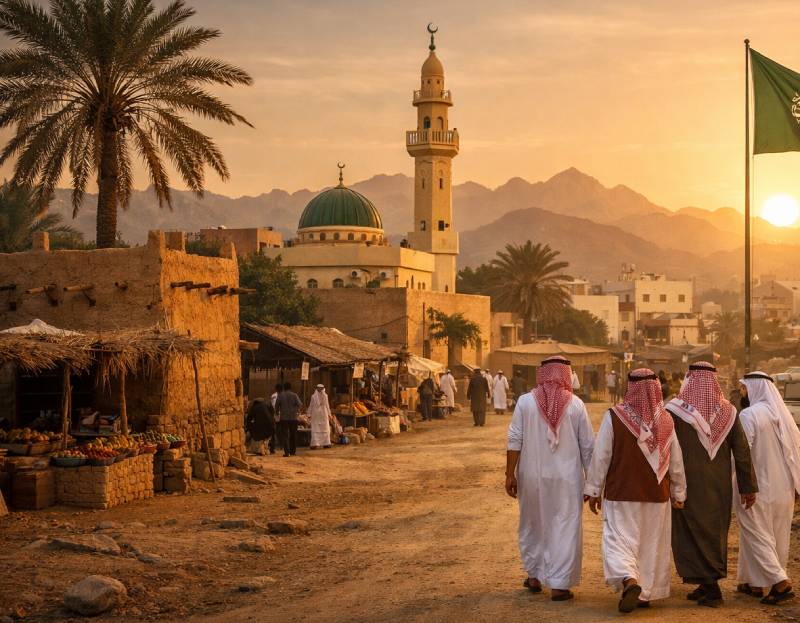
Al Jaradiyah is a name that may not frequently appear in international headlines, yet it represents an important and authentic part of Saudi Arabia’s rich regional fabric. Located in the Jazan region in the south-west of the Kingdom, Al Jaradiyah reflects the everyday life, traditions, and gradual modernisation of smaller Saudi communities. Understanding Al Jaradiyah means understanding how history, geography, culture, and development intersect outside the major metropolitan centres.
Geographic Location and Natural Setting
Al Jaradiyah is situated in the Jazan region, one of Saudi Arabia’s most geographically diverse areas. Unlike the vast deserts often associated with the Kingdom, Jazan features coastal plains, fertile valleys, and nearby mountains. Al Jaradiyah lies within this varied environment, benefiting from relatively moderate conditions compared to the central desert regions.
The area experiences a hot climate for much of the year, with seasonal variations influenced by its proximity to the Red Sea and surrounding highlands. These geographic characteristics have historically shaped settlement patterns, agriculture, and daily life in Al Jaradiyah.
Strategic Importance of Location
Al Jaradiyah’s location in southern Saudi Arabia places it close to important regional routes and neighbouring communities. While it is not a major transport hub, its position allows residents access to larger towns within Jazan for trade, healthcare, and higher education. This balance between local life and regional connectivity defines much of Al Jaradiyah’s modern character.
Historical Background of Al Jaradiyah
The history of Al Jaradiyah is closely tied to the broader history of southern Arabia. For centuries, villages in this region developed around tribal structures, agriculture, and local trade. Oral traditions and family histories remain an important way knowledge is passed down, even where written records are limited.
Tribal Roots and Community Formation
Like many settlements in Jazan, Al Jaradiyah grew from tribal foundations. Extended families settled the area, cultivating land and establishing social systems based on cooperation and shared responsibility. These tribal roots still influence social relationships, respect for elders, and community decision-making today.
Integration into the Saudi State
With the unification of Saudi Arabia in the 20th century, Al Jaradiyah gradually became part of the national administrative structure. Government services, education, and infrastructure expanded over time, connecting the village more closely with the rest of the Kingdom while allowing it to retain its local identity.
Cultural Identity and Traditions
Culture in Al Jaradiyah is deeply rooted in Saudi and specifically Jazan traditions. Daily life reflects a blend of long-standing customs and modern influences.
Language and Social Customs
Arabic is the primary language spoken in Al Jaradiyah, with local dialects adding regional character. Hospitality is central to social life, and guests are traditionally welcomed with generosity. Respect, modesty, and strong family ties remain key values.
Traditional Dress and Celebrations
While modern clothing is common, traditional attire is still worn during religious occasions, weddings, and community gatherings. Celebrations often include regional music, poetry, and food that reflect Jazan’s cultural heritage.
Daily Life in Al Jaradiyah
Life in Al Jaradiyah follows a rhythm shaped by family, work, and religious practices. Mosques play a central role in daily schedules, with prayer times structuring the day.
Family and Community Life
Families in Al Jaradiyah tend to be close-knit, with multiple generations often living nearby. Community events, such as weddings or religious gatherings, bring residents together and reinforce social bonds.
Role of Religion
Islam is central to life in Al Jaradiyah. Religious practices influence education, social behaviour, and community norms. Local mosques serve not only as places of worship but also as centres for learning and social interaction.
Economy and Livelihoods
The economy of Al Jaradiyah is primarily local, though it is increasingly connected to regional and national markets.
Agriculture and Traditional Work
Historically, agriculture has been a key source of livelihood. Fertile land in parts of Jazan allows for the cultivation of crops that support local consumption and small-scale trade. Livestock farming has also played a role in sustaining families.
Modern Employment Trends
In recent years, many residents of Al Jaradiyah have sought employment in nearby towns or cities. Government jobs, education, healthcare, and small businesses provide income while allowing families to remain rooted in their community.
Education and Learning Opportunities
Education has become an increasingly important part of life in Al Jaradiyah. Government investment in schooling has improved literacy and opened pathways for younger generations.
Local Schools
Primary and secondary schools in or near Al Jaradiyah provide foundational education. These institutions play a crucial role in preparing students for further study or employment.
Higher Education Access
For higher education, students typically travel to larger towns within the Jazan region or beyond. This exposure often brings new ideas back to Al Jaradiyah, contributing to gradual social and economic change.
Infrastructure and Development
Infrastructure development in Al Jaradiyah reflects broader national efforts to improve living standards across Saudi Arabia.
Roads and Transportation
Improved road networks have made travel easier, connecting Al Jaradiyah with surrounding areas. While public transport options are limited, private vehicles are common.
Utilities and Services
Access to electricity, clean water, and telecommunications has significantly improved over recent decades. Internet and mobile connectivity have helped residents stay connected with the wider world.
Al Jaradiyah in the Context of Vision 2030
Saudi Arabia’s Vision 2030 aims to diversify the economy and improve quality of life across the Kingdom. Communities like Al Jaradiyah are part of this transformation.
Opportunities for Growth
Investment in regional development may create new opportunities in education, healthcare, and small enterprises. These changes aim to reduce the need for migration while strengthening local economies.
Preserving Local Identity
A key challenge is balancing development with cultural preservation. For Al Jaradiyah, maintaining traditions while embracing modernisation is essential to sustainable growth.
Challenges Facing Al Jaradiyah
Like many smaller communities, Al Jaradiyah faces certain challenges that shape its future.
Employment and Youth Retention
Limited local job opportunities can lead younger residents to seek work elsewhere. Addressing this requires continued investment in regional industries and education.
Access to Advanced Services
While basic services are available, access to specialised healthcare or higher education often requires travel. Improving these services locally remains an ongoing goal.
The Future of Al Jaradiyah
The future of Al Jaradiyah lies in its ability to adapt while staying true to its roots. With improved infrastructure, education, and regional development, the village is positioned to offer a stable and meaningful quality of life.
Community resilience, strong social ties, and cultural pride are assets that will help Al Jaradiyah navigate change. As Saudi Arabia continues its national transformation, places like Al Jaradiyah play an important role in shaping a balanced and inclusive future.
FAQs
What is Al Jaradiyah known for?
Al Jaradiyah is known for its strong community values, traditional lifestyle, and its location within the culturally rich Jazan region of Saudi Arabia.
Where is Al Jaradiyah located?
Al Jaradiyah is located in the Jazan region in south-western Saudi Arabia, an area known for its diverse geography and cultural heritage.
Is Al Jaradiyah urban or rural?
Al Jaradiyah is primarily a rural community, though it is increasingly connected to nearby towns through improved infrastructure.
What language is spoken in Al Jaradiyah?
Arabic is the main language spoken, with local dialects reflecting regional identity.
How is life changing in Al Jaradiyah?
Life in Al Jaradiyah is gradually changing through better education, infrastructure development, and increased access to regional employment opportunities.
Conclusion
Al Jaradiyah represents an essential part of Saudi Arabia’s regional identity. Its history, culture, and community life offer insight into how smaller settlements contribute to the nation’s social and cultural landscape. As development continues, Al Jaradiyah stands as an example of how tradition and progress can coexist, shaping a future that respects the past while embracing new possibilities.