
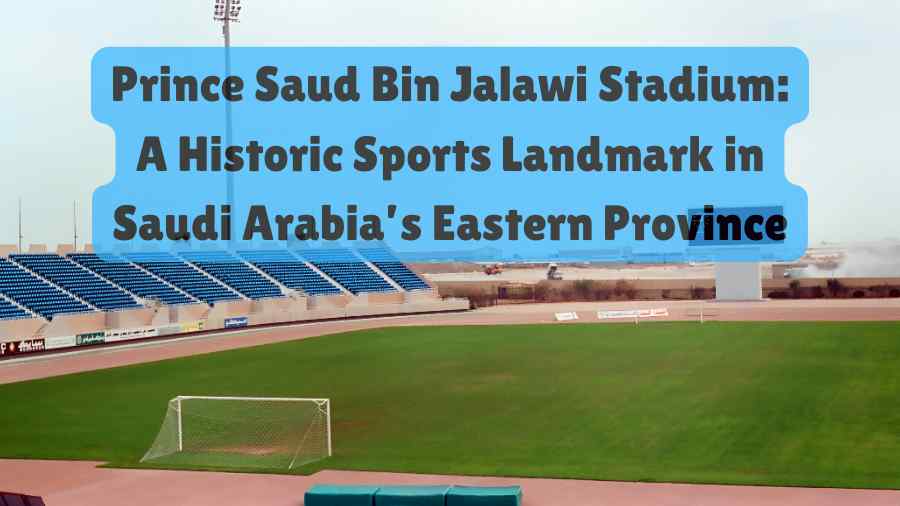
Prince Saud bin Jalawi Stadium stands as one of the most recognisable and historically significant sports venues in Saudi Arabia’s Eastern Province. Located in the vibrant coastal city of Al Khobar, the stadium has served generations of football fans, athletes, and sporting communities. More than just a football ground, it represents the Kingdom’s long-standing commitment to organised sport, youth development, and national competitions.
Over the decades, the stadium has hosted countless domestic matches, regional tournaments, and memorable sporting moments. As Saudi Arabia continues to modernise its sports infrastructure, Prince Saud bin Jalawi Stadium remains an essential reference point—bridging the nation’s sporting heritage with its future ambitions.
Historical Background of Prince Saud bin Jalawi Stadium
Origins and Naming
Prince Saud bin Jalawi Stadium was established in the early 1980s during a period when Saudi Arabia was actively investing in public infrastructure, including sports facilities. The stadium is named after Prince Saud bin Jalawi Al Saud, a respected figure in the region whose name is associated with development, leadership, and public service.
At the time of its construction, the Eastern Province was experiencing rapid urban and economic growth. The need for a large, well-equipped sports venue became increasingly clear, particularly to support organised football leagues and community sporting activities.
Early Years and Development
In its early years, the stadium quickly became a hub for regional competitions. It offered facilities that were considered advanced for its time, including a natural grass pitch, spectator seating, and supporting amenities for players and officials. This helped elevate the standard of football in the region and encouraged greater public participation in sports.
As Saudi football expanded nationally, Prince Saud bin Jalawi Stadium gained recognition as a reliable and professional venue capable of hosting high-profile fixtures.
Location and Accessibility
Strategic Position in Al Khobar
The stadium is situated within the Prince Saud bin Jalawi Sports City complex in Al Khobar, one of the most dynamic cities in eastern Saudi Arabia. Al Khobar is known for its modern urban planning, coastal views, and proximity to major cities such as Dammam and Dhahran.
This strategic location allows easy access for fans traveling from across the Eastern Province. Well-connected road networks and nearby public facilities make attending matches convenient for both local residents and visitors.
Surrounding Infrastructure
The area around the stadium includes parking facilities, training grounds, and administrative buildings that support large-scale sporting events. Its placement within a broader sports city reflects a comprehensive approach to athletic development, rather than treating the stadium as a standalone structure.
Stadium Design and Architecture
Structural Layout
Prince Saud bin Jalawi Stadium follows a traditional open-bowl design, optimised for football viewing. The seating arrangement offers clear sightlines from most sections, ensuring that spectators remain close to the action on the pitch.
The design prioritises functionality, crowd management, and durability—key considerations given the region’s climate and the stadium’s frequent use.
Playing Surface and Facilities
The stadium features a natural grass playing surface, maintained to professional standards. Supporting facilities include player changing rooms, officials’ areas, media spaces, and VIP seating sections. While not overly extravagant, the stadium’s layout is practical and efficient, allowing it to host competitive matches with minimal disruption.
Capacity and Atmosphere
Prince Saud bin Jalawi Stadium is commonly associated with a seating capacity of around 20,000 spectators. This size strikes a balance between intimacy and scale, creating an energetic atmosphere during matches while remaining manageable for event organisers.
Role in Saudi Football
Home Ground for Local Clubs
For many years, Prince Saud bin Jalawi Stadium has been closely linked with Al-Qadsiah FC, one of the Eastern Province’s most well-known football clubs. The stadium has hosted league matches, cup fixtures, and promotion battles that have left lasting impressions on fans.
Serving as a home ground has strengthened the emotional connection between the stadium and the local community. Matchdays often bring together families, youth supporters, and long-time fans, reinforcing football’s role as a shared social experience.
Domestic Competitions
Beyond club football, the stadium has been used for various domestic competitions organised under the Saudi football system. Its reliability and capacity have made it a preferred venue for important fixtures, particularly in the Eastern Province.
These matches have contributed to talent identification and player development, with many athletes taking their first steps toward professional careers on this very pitch.
Cultural and Social Importance
A Gathering Place for the Community
Prince Saud bin Jalawi Stadium is more than a sports venue; it is a social landmark. For decades, it has served as a gathering place where people from different backgrounds unite around a common passion for football.
Families often attend matches together, creating traditions that pass from one generation to the next. This sense of continuity has given the stadium a special place in local culture.
Symbol of Sporting Growth
The stadium symbolises a key phase in Saudi Arabia’s sporting evolution. It reflects the era when structured football leagues gained momentum and public interest in sports grew significantly. As newer stadiums emerge, Prince Saud bin Jalawi Stadium remains a reminder of the foundations upon which today’s successes are built.
Management and Governance
Oversight and Operations
Prince Saud bin Jalawi Stadium is managed under the authority of the Saudi Ministry of Sport, which oversees sports infrastructure across the Kingdom. This ensures that the stadium meets national standards for safety, maintenance, and event organisation.
Regular inspections and upgrades have helped extend the stadium’s lifespan and maintain its relevance in a rapidly evolving sports environment.
Maintenance and Upgrades
While the stadium retains much of its original character, periodic improvements have been introduced over the years. These include seating enhancements, pitch maintenance upgrades, and improved facilities for players and officials.
Such efforts demonstrate a commitment to preserving the stadium’s usability while adapting to modern expectations.
Future Outlook and Modernisation
Part of a Broader Vision
Saudi Arabia’s ambitious vision for sports development includes upgrading existing venues alongside building new, world-class stadiums. Prince Saud bin Jalawi Stadium has been identified as part of this broader transformation, particularly in preparation for major regional and continental tournaments.
Potential modernisation plans focus on enhancing spectator comfort, improving accessibility, and integrating updated technologies without erasing the stadium’s historical identity.
Balancing Heritage and Progress
One of the key challenges facing older stadiums is balancing preservation with innovation. Prince Saud bin Jalawi Stadium holds cultural value that extends beyond its physical structure. Any future redevelopment is likely to respect this legacy while ensuring the venue remains competitive and functional.
Importance to the Eastern Province
Regional Sports Identity
The Eastern Province has a distinct sports identity shaped by its clubs, fans, and facilities. Prince Saud bin Jalawi Stadium plays a central role in this identity, representing decades of sporting memories and achievements.
Its continued use reinforces the region’s importance within the national sports framework and supports grassroots participation in football.
Contribution to Youth Development
By hosting matches, training sessions, and local competitions, the stadium indirectly contributes to youth development. Young players watching professional matches are inspired to pursue football, while local tournaments provide platforms for emerging talent.
Conclusion
Prince Saud bin Jalawi Stadium remains a cornerstone of Saudi Arabia’s sporting heritage, particularly within the Eastern Province. Its long history, strong connection to local football culture, and continued relevance in national competitions underline its importance beyond bricks and mortar.
As Saudi Arabia advances toward a future defined by global sporting excellence, this stadium stands as a reminder of where that journey began. By blending tradition with thoughtful modernisation, Prince Saud bin Jalawi Stadium is poised to continue inspiring fans, athletes, and communities for years to come.
FAQs
What is Prince Saud bin Jalawi Stadium mainly used for?
Prince Saud bin Jalawi Stadium is primarily used for football matches. It hosts domestic league games, regional competitions, and training activities, making it a key football venue in the Eastern Province.
Where is Prince Saud bin Jalawi Stadium located?
The stadium is located in Al Khobar, in Saudi Arabia’s Eastern Province. Its position within a larger sports city makes it easily accessible from nearby urban areas.
How many spectators can the stadium accommodate?
Prince Saud bin Jalawi Stadium is widely associated with a capacity of around 20,000 spectators, providing an energetic yet manageable matchday atmosphere.
Which football club is most closely linked to the stadium?
Al-Qadsiah FC has historically used Prince Saud bin Jalawi Stadium as a home ground, hosting numerous league and cup matches there over the years.
Is the stadium expected to be renovated in the future?
Yes, the stadium is part of Saudi Arabia’s broader sports development plans. Future upgrades are expected to modernise facilities while preserving the stadium’s historical significance.