

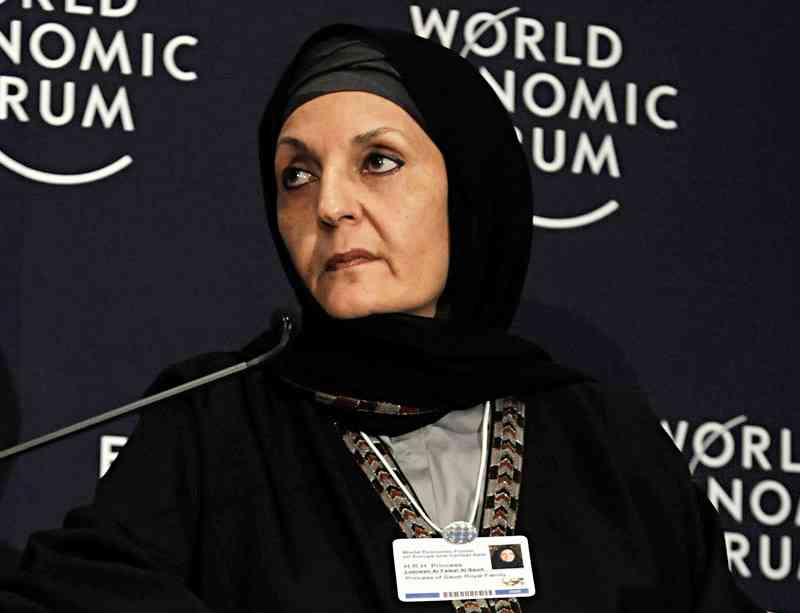
In the modern history of Saudi Arabia, several influential figures have played a significant role in shaping social development and education. Among them, Lolowah Bint Faisal Al Saud stands out as a remarkable advocate for education, women’s empowerment, and cultural progress. As a member of the Saudi royal family and the daughter of King Faisal, she has used her influence to promote educational initiatives and encourage greater participation of women in society.
Her work reflects a deep commitment to learning, intellectual growth, and international cooperation. Over the years, she has become widely respected not only within Saudi Arabia but also globally for her contributions to higher education and social reform. Through her leadership roles in educational institutions and her participation in international forums, she has helped shape conversations around women’s opportunities and modernisation in the Kingdom.
Early Life and Family Background
Royal Heritage and Family Influence
Born in 1948 in Ta’if, Saudi Arabia, Lolowah Bint Faisal Al Saud grew up within one of the most influential families in the country. She is the daughter of King Faisal bin Abdulaziz Al Saud, who ruled Saudi Arabia from 1964 until 1975. King Faisal is widely remembered for his leadership during a period of transformation, including significant reforms in education and economic policy.
Her mother, Queen Iffat Al Thunayan, was also an important figure in the development of women’s education in Saudi Arabia. Queen Iffat founded several educational institutions and advocated strongly for girls’ schooling at a time when opportunities for female education were limited.
Growing up in such an environment had a profound impact on Lolowah Bint Faisal Al Saud, shaping her values and guiding her future contributions to education and social progress.
Childhood and Early Education
Her early years were influenced by a mixture of traditional Saudi culture and international exposure. Members of the Saudi royal family often pursued education abroad, and she was no exception. She attended school in Lausanne, Switzerland, which allowed her to gain an international perspective during her formative years.
This experience introduced her to diverse cultures, academic traditions, and global discussions about education and social development. These early experiences helped shape her later vision for educational reform and international cooperation.
Commitment to Education
Influence of Queen Iffat’s Vision
The commitment of Lolowah Bint Faisal Al Saud to education can largely be traced back to the influence of her mother. Queen Iffat believed strongly that education was the key to national progress, particularly for women. Her dedication to building schools and encouraging female education became a guiding principle for her daughter.
Following her mother’s example, she dedicated much of her life to supporting educational institutions that would provide opportunities for young women across Saudi Arabia.
Role in Effat University
One of her most notable contributions has been her involvement with Effat University in Jeddah. The institution was founded with the aim of providing high-quality higher education opportunities for women in the Kingdom.
Effat University grew from modest beginnings into a respected private university offering programmes in fields such as engineering, business, architecture, and international relations. Lolowah Bint Faisal Al Saud has played an important role in supporting the institution’s development and guiding its mission.
As vice chair of the Board of Founders and Trustees, she has helped ensure that the university maintains strong academic standards while encouraging innovation and leadership among students.
Promoting Academic Excellence
Her work within higher education reflects a belief that education should not only provide knowledge but also foster critical thinking and leadership. Through academic partnerships and international collaboration, she has encouraged institutions in Saudi Arabia to engage with universities around the world.
This global outlook has contributed to the development of modern educational frameworks within the Kingdom.
Advocacy for Women’s Empowerment
Expanding Opportunities for Women
Over the past several decades, Saudi Arabia has experienced significant social change, particularly regarding women’s roles in education and the workforce. Lolowah Bint Faisal Al Saud has been one of the prominent voices advocating for greater opportunities for women.
Her efforts have focused primarily on education, which she views as the foundation for broader empowerment. By supporting institutions dedicated to women’s education, she has helped create pathways for young Saudi women to pursue careers in science, technology, business, and public service.
Encouraging Leadership and Participation
In addition to academic achievement, she has emphasised the importance of leadership skills. Educational programmes associated with her initiatives encourage students to develop confidence, creativity, and professional ambition.
Many graduates from institutions linked to her work have gone on to become entrepreneurs, educators, and leaders within their communities. This ripple effect has contributed to the broader development of Saudi society.
Supporting Social Progress
Throughout her public career, Lolowah Bint Faisal Al Saud has expressed support for reforms that expand opportunities for women while respecting cultural traditions. Her approach emphasises gradual change, education, and dialogue.
By promoting these values, she has helped foster constructive discussions about the role of women in modern Saudi Arabia.
International Engagement
Participation in Global Forums
Beyond her work in Saudi Arabia, she has participated in several international conferences and forums addressing education, social development, and global cooperation.
These events have provided opportunities for her to share insights about educational reform in the Kingdom while learning from global best practices.
Building Cultural Bridges
Her international engagements have also helped build cultural bridges between Saudi Arabia and other countries. Through academic partnerships, student exchanges, and collaborative research initiatives, she has contributed to strengthening global connections in higher education.
Such efforts play an important role in preparing students to operate in an increasingly interconnected world.
Leadership Style and Personal Philosophy
A Vision for Modern Education
The leadership philosophy of Lolowah Bint Faisal Al Saud emphasises innovation, cultural understanding, and long-term development. She believes that education should prepare individuals not only for employment but also for responsible citizenship.
Her vision encourages institutions to integrate technology, research, and interdisciplinary learning into their programmes.
Balancing Tradition and Progress
One of the distinctive aspects of her leadership approach is the ability to balance respect for cultural traditions with the need for progress. Rather than advocating abrupt change, she has supported reforms that align with the values and aspirations of Saudi society.
This balanced perspective has allowed her initiatives to gain broad support and lasting impact.
Recognition and Achievements
International Recognition
The contributions of Lolowah Bint Faisal Al Saud have been recognised by universities and institutions around the world. She has received honorary degrees and awards for her work in education and social development.
These honours reflect international appreciation for her efforts to promote knowledge and opportunity.
Influence in the Academic Community
Her leadership has helped shape discussions about women’s education in the Middle East. Scholars and policymakers often reference her initiatives as examples of how educational reform can drive social progress.
The institutions she supports continue to expand their academic programmes and influence.
Lasting Impact on Saudi Society
Transforming Educational Opportunities
The work of Lolowah Bint Faisal Al Saud has contributed significantly to the expansion of educational opportunities for women in Saudi Arabia. Over the past few decades, the number of female students in higher education has increased dramatically.
Institutions dedicated to women’s education have become important centres of innovation and leadership development.
Inspiring Future Generations
Perhaps the most important aspect of her legacy is the inspiration she provides to younger generations. By demonstrating the importance of education, leadership, and international cooperation, she has encouraged many young people to pursue ambitious goals.
Her example shows how individuals can use their influence to promote meaningful social change.
FAQs
Who is Lolowah Bint Faisal Al Saud?
She is a Saudi Arabian princess, education advocate, and member of the royal family known for promoting women’s education and supporting higher education initiatives in Saudi Arabia.
What is her role in Effat University?
She serves as a senior figure in the university’s leadership structure and supports its mission to provide high-quality education for women.
How has she influenced women’s education in Saudi Arabia?
Through her advocacy, institutional leadership, and international engagement, she has helped expand educational opportunities and encourage female leadership.
Why is she internationally recognised?
Her contributions to education and social development have earned her honorary degrees and recognition from universities and global organisations.
What is her legacy in Saudi society?
Her work has contributed to the growth of women’s education and helped shape modern academic institutions in the Kingdom.
Conclusion
The life and work of Lolowah Bint Faisal Al Saud illustrate the powerful role that education can play in shaping societies. As a member of the Saudi royal family, she could have remained a private figure, but instead she chose to dedicate her efforts to promoting knowledge, opportunity, and progress.
Through her leadership in educational institutions, advocacy for women’s empowerment, and participation in international forums, she has helped influence the direction of modern Saudi education. Her initiatives have opened doors for countless students and strengthened the Kingdom’s academic landscape.