
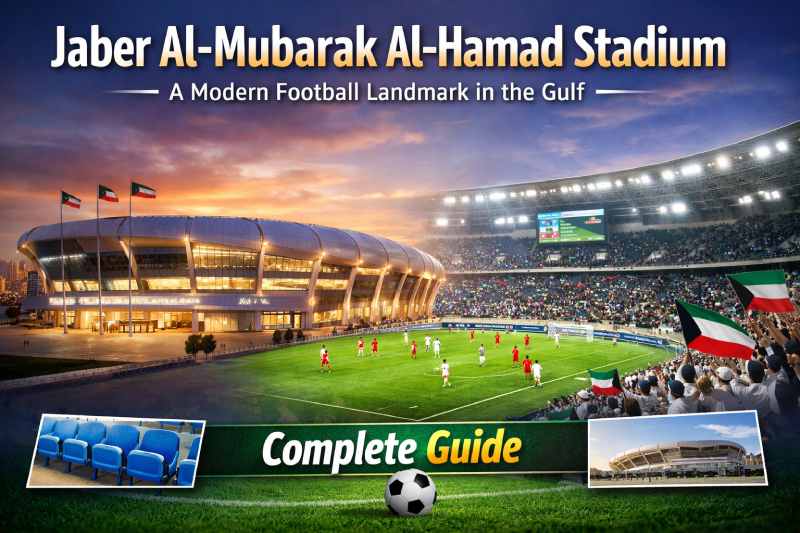
Jaber Al-Mubarak Al-Hamad Stadium stands as a symbol of modern sports development in the Gulf region, representing ambition, national pride, and the evolving culture of football infrastructure. While many people initially search for this stadium in the context of Saudi Arabia due to regional sporting growth, the stadium itself is located in Kuwait and has rapidly gained attention across neighbouring countries. Its recent redevelopment has transformed it from a modest local venue into a contemporary football stadium capable of hosting major regional competitions.
Overview of Jaber Al-Mubarak Al-Hamad Stadium
Jaber Al-Mubarak Al-Hamad Stadium is a football-specific stadium situated in the Sulaibikhat area of Kuwait City. It serves primarily as a venue for professional football matches and national sporting events. Following a major redevelopment project, the stadium reopened with upgraded facilities that align with modern international standards.
With a seating capacity of approximately 15,000 spectators, the stadium strikes a balance between intimacy and scale. It is large enough to host significant regional tournaments while remaining suitable for domestic league fixtures and community engagement.
Historical Background
Origins and Early Use
The stadium was originally known as Sulaibikhat Stadium and functioned as a local football ground for many years. In its early form, it provided basic facilities for players and spectators, serving local clubs and grassroots football development. Over time, as football grew in popularity across Kuwait and the wider Gulf region, the limitations of the older structure became increasingly apparent.
Renaming and National Recognition
The decision to rename the stadium as jaber al-mubarak al-hamad stadium was both symbolic and strategic. The new name reflects national leadership and a renewed vision for sports development. Renaming coincided with the start of a comprehensive renovation project aimed at elevating the stadium’s status and functionality.
Architectural Design and Infrastructure
Exterior Design
The exterior of jaber al-mubarak al-hamad stadium reflects modern architectural trends seen across new sports venues in the Gulf. Clean lines, balanced proportions, and functional design elements ensure that the stadium is visually striking while remaining practical. The façade integrates lighting features that enhance its appearance during evening matches and national events.
Interior Layout
Inside, the stadium is designed with spectator comfort and visibility in mind. The seating bowl offers clear sightlines from all angles, ensuring an engaging match-day experience. Seating is arranged to create a sense of closeness to the pitch, amplifying atmosphere and crowd energy.
Pitch and Playing Surface
The stadium features a high-quality hybrid grass surface suitable for professional football. This type of pitch combines natural grass with synthetic reinforcement, providing durability while maintaining a natural playing feel. The surface is designed to withstand intensive use and varying weather conditions.
Player and Official Facilities
Modern changing rooms, warm-up areas, and medical facilities support player performance and safety. Match officials are provided with dedicated spaces equipped to meet international standards, allowing the stadium to host high-profile fixtures with confidence.
Technology and Media Capabilities
Broadcast Readiness
One of the key goals of the redevelopment was to make jaber al-mubarak al-hamad stadium broadcast-ready. Media zones, commentary positions, and camera platforms have been integrated into the design, enabling professional television coverage of matches.
Digital Infrastructure
High-speed connectivity and digital systems support scoreboard displays, match statistics, and event coordination. These technological upgrades enhance the overall experience for fans, teams, and broadcasters alike.
Role in Regional Football
Domestic Competitions
The stadium serves as a home venue for local football clubs and plays an important role in Kuwait’s domestic football structure. League matches held at the stadium contribute to player development and fan engagement, strengthening the national football ecosystem.
Hosting Regional Tournaments
Jaber al-mubarak al-hamad stadium has also hosted matches in major Gulf tournaments, bringing international attention to the venue. These events highlight Kuwait’s ability to organise and deliver professional sporting competitions that meet regional expectations.
Growing Recognition in Saudi Arabia and the Gulf
Although the stadium is located in Kuwait, interest from Saudi Arabia and other Gulf nations reflects the interconnected nature of regional sports. Fans, analysts, and organisers across the Gulf increasingly view the stadium as part of a shared football landscape.
Cultural and Social Importance
Community Engagement
Beyond professional football, the stadium functions as a community hub. It provides a space for youth tournaments, training sessions, and national celebrations. This multi-purpose role strengthens ties between the stadium and the surrounding community.
National Identity and Pride
Modern stadiums often serve as symbols of national progress, and jaber al-mubarak al-hamad stadium is no exception. Its redevelopment represents investment in youth, health, and international visibility, reinforcing national pride through sport.
Economic and Urban Impact
Local Economy
Match days generate economic activity through transportation, food services, and local businesses. The presence of a modern stadium contributes to urban vitality and encourages further investment in surrounding areas.
Sports Tourism Potential
As Gulf countries increasingly attract sports tourism, jaber al-mubarak al-hamad stadium has the potential to become a destination for visiting fans. Regional tournaments draw spectators from neighbouring countries, contributing to cross-border cultural exchange.
Comparison with Other Gulf Stadiums
When compared to larger venues in the region, jaber al-mubarak al-hamad stadium occupies a distinct position. It is not designed to compete in scale with mega stadiums but instead focuses on efficiency, atmosphere, and versatility. This approach aligns with a growing trend towards right-sized stadiums that prioritise sustainability and long-term usability.
Future Outlook
Continued Use and Development
The future of jaber al-mubarak al-hamad stadium looks promising. With its modern infrastructure and strategic location, it is well-positioned to host more regional competitions and domestic finals.
Potential Upgrades
As technology and fan expectations continue to evolve, further enhancements such as advanced fan engagement systems or expanded hospitality areas may be introduced. These upgrades would help maintain the stadium’s relevance for decades to come.
Conclusion
Jaber Al-Mubarak Al-Hamad Stadium represents a successful example of how thoughtful redevelopment can transform a local sports venue into a modern regional landmark. Its blend of architectural quality, technological readiness, and cultural significance makes it an important asset within Gulf football. While interest from Saudi Arabia reflects broader regional enthusiasm for football infrastructure, the stadium’s true value lies in its contribution to Kuwait’s sporting future and its role within the interconnected Gulf sports community.
FAQs
Where is jaber al-mubarak al-hamad stadium located?
The stadium is located in the Sulaibikhat area of Kuwait City and serves as a key football venue within the country.
What is the seating capacity of the stadium?
Jaber al-mubarak al-hamad stadium has a seating capacity of approximately 15,000 spectators, making it suitable for both domestic and regional matches.
Is the stadium used for international tournaments?
Yes, the stadium has hosted matches in major regional competitions, demonstrating its ability to meet international event standards.
Why do people search for this stadium in Saudi Arabia?
Interest from Saudi Arabia reflects regional football integration and shared sporting events, even though the stadium itself is located in Kuwait.
What type of pitch does the stadium use?
The stadium features a hybrid grass playing surface designed for durability and professional football performance.