

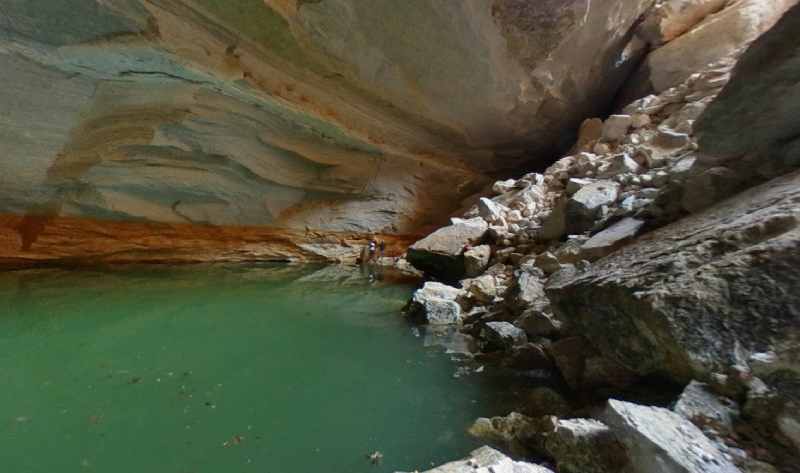
Tucked away in the desert landscape southeast of Riyadh lies one of Saudi Arabia’s most fascinating natural wonders: Heet Cave. Known for its dramatic limestone entrance and mysterious underground lake, this geological marvel has long attracted explorers, photographers, and adventure seekers. Despite its proximity to the capital city, the cave still carries an air of secrecy and untouched beauty that sets it apart from more commercial tourist destinations.
The Location and Setting
Heet Cave is located about 30 to 40 kilometers southeast of Riyadh, along the Al-Kharj Road. The cave sits near a small settlement known as Heet and is positioned at the base of Mount Al-Jumayl. Surrounded by vast desert plains and rocky terrain, the site blends seamlessly into the rugged landscape.
Reaching the cave requires driving through relatively undeveloped terrain. While modern GPS systems make navigation easier, visitors should be prepared for uneven roads and limited signage. The remoteness of the area adds to the sense of adventure, making the journey itself part of the experience.
A Geological Wonder Beneath the Desert
Heet Cave is technically a limestone sinkhole formed by natural geological processes over thousands of years. Rainwater, slightly acidic in nature, gradually dissolved layers of limestone rock beneath the surface. Over time, this erosion created a massive underground chamber.
The cave’s entrance resembles a large, eye-shaped opening in the ground — a feature that inspired its alternate Arabic name “Ein Heet,” where “Ein” means “eye.” The opening slopes downward into a spacious cavern that leads to a striking underground lake.
The Underground Lake
One of the most captivating features of Heet Cave is its crystal-clear underground water. The lake is deep, cool, and historically served as a natural water source for nearby communities. Sunlight filtering through the entrance creates dramatic reflections on the water’s surface, producing a surreal atmosphere inside the cave.
The depth of the water remains partially unexplored, though divers have ventured into its depths over the years. The clarity of the water once made it popular for swimming, although access and safety concerns have limited such activities in recent times.
Rock Formations and Structure
The cave’s interior is characterized by smooth limestone walls, natural ridges, and mineral deposits shaped by centuries of erosion. Unlike some caves filled with dramatic stalactites and stalagmites, Heet Cave is more open and expansive, giving visitors a sense of standing in a vast underground hall.
The temperature inside the cave tends to be cooler than the surrounding desert, making it a refreshing escape during hot months. However, humidity levels near the water can make surfaces slippery.
Historical and Cultural Significance
Heet Cave holds more than geological value; it also has historical importance. In the early 20th century, geological surveys conducted during the formation of modern Saudi Arabia examined the cave and surrounding rock formations. It contributed to early understanding of the Kingdom’s mineral landscape.
For local communities, the cave was once an essential source of fresh water. Before modern infrastructure, natural water reserves like this played a crucial role in survival in desert regions.
Today, while it is not a fully developed tourist site, Heet Cave remains one of Riyadh’s most talked-about natural attractions, frequently featured in travel blogs and photography collections.
Visiting Experience: What to Expect
A trip to Heet Cave is not a casual stroll. It is an adventure that requires preparation and caution.
The Descent
Reaching the cave’s entrance is relatively straightforward, but descending into it can be challenging. The slope leading down is rocky and uneven. There are no formal staircases or safety railings in many areas, so visitors must tread carefully.
Good footwear is essential. Sneakers or hiking shoes with strong grip are recommended to avoid slipping on loose rocks.
Inside the Cave
Once inside, the atmosphere changes immediately. The air feels cooler, and the sound of dripping water echoes softly. As your eyes adjust to the dim light, the underground lake comes into view.
Many visitors are struck by the calmness inside Heet Cave. The silence is almost complete, broken only by natural sounds. This tranquility makes it an appealing location for photography and reflection.
Safety Considerations
Because the cave is not heavily regulated, visitors must take responsibility for their own safety. There are no official lifeguards or guided tours in most cases. Climbing down steep areas or attempting to swim in the underground lake can be risky.
It is best to visit in small groups and avoid going alone. Bringing a flashlight, sufficient drinking water, and a fully charged phone is advisable.
Best Time to Visit
The climate around Riyadh is extremely hot during summer, with temperatures often exceeding 40°C (104°F). While the cave interior is cooler, the journey to reach it can be exhausting in peak heat.
The best time to visit Heet Cave is during the cooler months between October and March. Early morning or late afternoon visits provide softer lighting conditions, which are ideal for photography.
Avoid visiting after heavy rainfall, as water levels inside the cave may rise, and the terrain can become slippery.
Photography and Adventure Appeal
Heet Cave has become a favorite location for photographers seeking dramatic desert landscapes combined with underground scenery. The contrast between bright desert sunlight and shadowy cave interiors creates unique visual opportunities.
Drone photography around the entrance reveals the cave’s eye-shaped opening clearly. Inside, long-exposure shots capture reflections on the underground lake’s surface.
Adventure enthusiasts appreciate the raw, undeveloped nature of the site. Unlike commercial caves with walkways and lighting installations, Heet Cave offers a more authentic exploration experience.
Environmental Concerns
Unfortunately, like many natural attractions near urban areas, Heet Cave has faced environmental challenges. Some visitors have reported litter and signs of neglect around the entrance.
Preserving the cave requires responsible tourism. Visitors should avoid leaving waste behind and refrain from damaging rock surfaces. Sustainable tourism practices are crucial to ensuring that future generations can enjoy this natural landmark.
Local authorities have occasionally discussed improving infrastructure while maintaining the cave’s natural character. Balancing accessibility with preservation remains an ongoing challenge.
Nearby Attractions
Visitors to the area can combine a trip to Heet Cave with other outdoor activities. The surrounding desert offers opportunities for dune bashing, hiking, and picnicking.
Riyadh itself provides a mix of modern attractions and cultural heritage sites, making it easy to plan a day trip that blends urban exploration with natural adventure.
Why Heet Cave Stands Out
What makes Heet Cave particularly special is its combination of accessibility and mystery. Being close to Riyadh means it is reachable within an hour’s drive, yet it feels worlds away from the city’s skyscrapers and highways.
The underground lake adds an element rarely found in desert caves. The sight of clear water beneath layers of ancient rock creates a powerful contrast that leaves a lasting impression.
Unlike heavily commercialized tourist spots, the cave retains a sense of discovery. Visitors often describe their experience as both thrilling and peaceful — a rare combination.
FAQs
Is Heet Cave safe to visit?
Yes, but caution is required. The terrain is uneven, and there are no official safety facilities. Visiting in groups and wearing proper footwear is recommended.
Can you swim in the underground lake?
Swimming has been done in the past, but it is not officially supervised. The depth of the water and slippery surfaces make it potentially dangerous.
How long does a visit take?
Most visitors spend one to two hours exploring and taking photos, depending on how comfortable they are with climbing and descending.
Do you need a permit to enter?
Currently, no formal permit is typically required, but regulations may change. It is wise to check local guidance before planning a visit.
Is the cave suitable for children?
Due to steep and rocky areas, it may not be ideal for very young children. Families should assess safety carefully before entering.
Conclusion
Heet Cave remains one of Saudi Arabia’s most intriguing natural landmarks. Its dramatic entrance, serene underground lake, and rugged surroundings offer an experience that blends adventure with quiet reflection. While it lacks the polished infrastructure of commercial tourist sites, that very rawness is part of its charm.
For those willing to prepare properly and respect the environment, a visit to Heet Cave can be both memorable and inspiring. As Saudi Arabia continues to open its doors to tourism, preserving places like this will be essential in showcasing the Kingdom’s remarkable natural heritage.