

If you have ever sat at a decent bar and watched someone order a shot of something gold and pricey with a little reverence in their voice, there is a fair chance it was Don Julio. The name has become a kind of shorthand for tequila done properly, the bottle people reach for when they want to feel like they are treating themselves. But behind that smooth, polished image sits a much more interesting story, one that runs from a teenager borrowing money in rural Mexico all the way to the boardrooms of Diageo, one of the biggest drinks companies on the planet. Let’s get into it, because there is a lot more here than just a good-looking bottle.
The Don Julio Story Started With One Stubborn Dream
Every great spirit brand seems to have a founding myth, and Don Julio’s happens to be true. Back in 1942, a young man named Don Julio González looked at the tequila being made around him in the highlands of Jalisco and decided he could do it better. He did not have money, connections, or a safety net. What he had was an almost annoying level of conviction about agave, and a willingness to bet everything on it. He borrowed the cash, built a small distillery called La Primavera, and spent the next few decades obsessing over every plant in his fields. The wild part is that for years he was not even selling under his own name. The “Don Julio” label only arrived in 1985, when his sons created a special tequila to celebrate his sixtieth birthday. It was supposed to be a tribute, a one-off gift. Instead, people tasted it, fell hard for it, and basically refused to let it stay private. That birthday present accidentally became one of the most respected tequila brands in the world.
How Don Julio Ended Up in the Diageo Family
Here is where the story shifts from family kitchen to corporate empire. As Don Julio’s reputation grew, big players started circling, because that is exactly what happens when a small brand starts punching above its weight. Seagram came in with an investment in the late nineties. Then Diageo entered the picture and ran the brand for years through a joint venture with Casa Cuervo, the company behind Jose Cuervo. For a long time it was a shared arrangement, which is a polite way of saying two giants splitting one prize. That changed in a big way around 2014 and 2015, when Diageo struck a deal to take complete control of Don Julio. The trade was almost cinematic: Diageo handed over the historic Bushmills Irish whiskey brand plus a hefty cash payment, and in return it walked away with full global ownership of Don Julio, the Tres Magueyes label, the original La Primavera distillery, the inventory, and the agave supply. In short, Diageo did not just buy a logo. It bought the whole engine.
What Makes Don Julio Actually Different From Other Tequilas
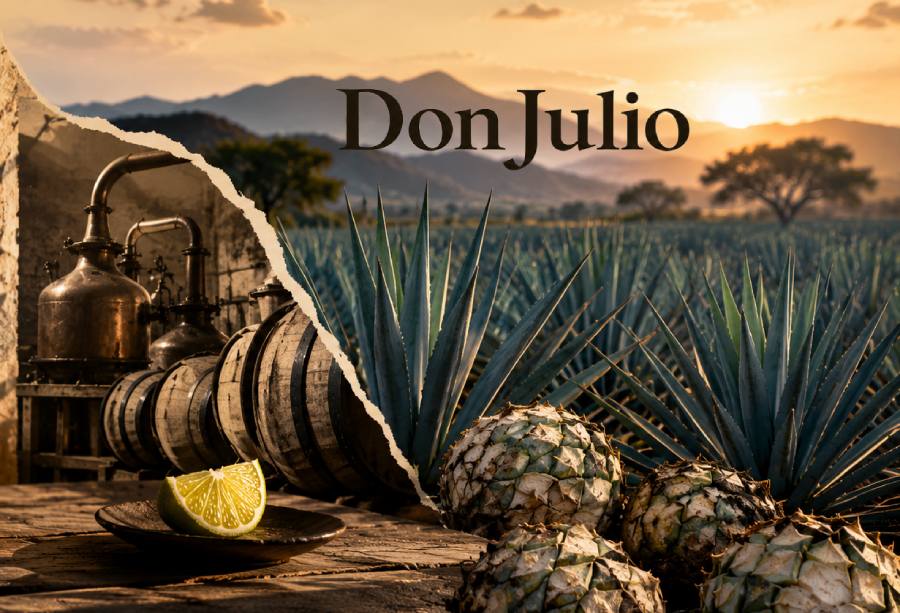
You can slap “premium” on any bottle, but Don Julio earns the word in ways you can taste. It all starts in the rich, iron-heavy clay soil of the Jalisco highlands, where the blue Weber agave is left to fully mature before anyone touches it. That patience matters, because rushed agave makes thin, harsh tequila. From there the piñas, which are the hearts of the agave plant, get slow-cooked in masonry ovens rather than blasted in industrial autoclaves. Slow cooking pulls out a deeper, sweeter, more layered flavor. The juice is fermented with a specific yeast strain, double-distilled in pot stills, and then either bottled fresh or aged in ex-bourbon American oak. There is also a genuinely cool piece of brand trivia here: the bottle is short and stout on purpose. Don Julio González hated that tall bottles blocked his view of guests at the table, so he designed something his friends could see each other over. It is a small human detail that tells you everything about how personal this brand once was.
A Quick Tour of the Don Julio Lineup
If you are standing in front of a shelf wondering which Don Julio to grab, the differences mostly come down to aging. The Blanco is tequila in its purest, most honest form, bottled soon after distillation with bright citrus notes, fresh agave, and a clean finish that makes it a margarita’s best friend. The Reposado rests around eight months in oak, picking up a golden tint and a rounder, richer character. The Añejo goes deeper still, aging roughly eighteen months until it turns into something warm and complex, all cooked agave, honey, and that buttery oak vibe. Then there is the 70 Cristalino, which is an aged tequila that gets charcoal-filtered back to crystal clear, so you get the smoothness of an añejo with the crispness of a blanco. At the very top you will find rarer expressions like the Ultima Reserva, an extra añejo aged using the solera method that collectors quietly hunt for. There is genuinely a Don Julio for the cocktail crowd and one for the people who only ever sip neat.
Where Don Julio Sits in Diageo’s Massive Portfolio
To really understand Don Julio’s place in the world, you have to zoom out and look at the company that owns it. Diageo is not a one-trick operation. It is a British multinational built from a sprawling collection of legendary names, and Don Julio is just one star in a very crowded sky. On the whisky side alone you have Johnnie Walker striding across the globe, Crown Royal holding down Canadian whisky, and a deep bench of Scotch including J&B, Buchanan’s, Windsor, and the gloriously smoky Lagavulin out on Islay. The vodka shelf is just as stacked, with Smirnoff as the workhorse world leader, Cîroc bringing the grape-based glamour, and Ketel One doing the smooth, bartender-favorite thing. Beyond that the portfolio stretches into rum with Captain Morgan, gin through Tanqueray and Gordon’s, the dessert-in-a-glass charm of Baileys, and of course the beer side anchored by the unmistakable Guinness, with Kilkenny along for the ride. Sitting inside that lineup, Don Julio is Diageo’s flagship play in tequila, the brand it leans on to own the premium agave conversation.
Why Diageo Bet So Big on Tequila
Companies do not give away a whole whiskey brand like Bushmills on a whim, so why did Diageo fight so hard for Don Julio? The short answer is that tequila quietly became one of the fastest-growing categories in all of spirits, especially at the premium and super-premium end. While plenty of older categories were flat or even shrinking, top-shelf tequila kept climbing, fueled by drinkers who wanted something they could sip, photograph, and feel good about ordering. Diageo saw that wave forming and decided it did not want to watch from the shore. By owning Don Julio outright, the company got a credible, heritage-rich brand it could push into new markets and price confidently. In recent reporting, tequila has grown into one of Diageo’s most important categories by sales, sitting right up there with Scotch and beer. That is a remarkable outcome for a brand that started as a birthday gift, and it explains why Don Julio gets so much marketing muscle behind it today.
Don Julio 1942: The Bottle Everyone Talks About
If one expression turned Don Julio into a status symbol, it is the 1942. You have seen it even if you do not realize it, the long elegant bottle that shows up in music videos, fancy clubs, and celebratory ice buckets across the internet. Named after the year Don Julio González began his journey, the 1942 is aged for a minimum of around two and a half years and built specifically for sipping, with rich notes of caramel, warm vanilla, and toasted oak. It is the bottle people buy when they want the moment to feel like an occasion, and Diageo has leaned into that energy hard, including limited-edition designs tied to huge global events. The 1942 is proof that a tequila can be a luxury object as much as a drink, and it does a lot of the heavy lifting in keeping the brand aspirational.
How to Actually Drink Don Julio
There is a lot of snobbery floating around about how you are “supposed” to drink good tequila, so let me cut through it. The honest answer is that it depends on which bottle you have. The Blanco is built for cocktails, so do not feel guilty turning it into a sharp margarita or a breezy Paloma with grapefruit soda; that citrus-forward profile is made for mixing. The Reposado can swing both ways, equally happy in a cocktail or over a single large ice cube. Once you climb into Añejo, 70 Cristalino, and 1942 territory, the move is to slow down and sip it neat or on the rocks, because all that careful aging deserves your attention rather than a wall of lime and triple sec. Skip the salt-and-lime slamming ritual with the aged stuff. That tradition exists to mask rough tequila, and nothing in the premium Don Julio range needs masking.
A Few Honest Things Worth Knowing
No brand this big rides a perfectly smooth road, and it is worth being straight about that. Don Julio’s premium positioning means you are paying a real markup, and like many famous labels it has faced consumer scrutiny and legal noise around how premium spirits are marketed, which is fairly common across the high-end alcohol world. None of that erases the quality in the bottle, but it is a useful reminder that part of what you buy with any luxury spirit is the story and the status, not just the liquid. The smart approach is simple: taste it, decide for yourself whether the experience justifies the price for you, and ignore the hype on both sides. Plenty of people genuinely love what is in the glass, and plenty of others are happy with excellent tequilas that cost less. Both can be right.
FAQs
Who owns Don Julio tequila now?
Don Julio is owned by Diageo, the British multinational drinks company that also owns names like Johnnie Walker, Smirnoff, and Guinness. Diageo originally shared the brand through a joint venture, then took full global ownership around 2014 to 2015 by trading away its Bushmills Irish whiskey brand plus a cash payment.
Is Don Julio a Mexican brand or a British one?
It is genuinely both in different senses. Don Julio is 100 percent Mexican in origin, heritage, and production, made from blue Weber agave in the highlands of Jalisco. The corporate ownership, however, sits with Diageo, which is headquartered in London, so the money flows to a British parent while the tequila itself stays proudly hecho en México.
What is the most expensive Don Julio you can buy?
The flagship luxury expression most people know is Don Julio 1942, but the truly high-end releases go beyond it, including rare extra añejos like the Ultima Reserva aged using the solera method. Limited editions tied to major global events also push prices well into collector territory.
Is Don Julio better than other Diageo spirits like Tanqueray or Baileys?
That is apples to oranges, since Diageo deliberately keeps very different brands for very different moods. Tanqueray is a classic gin, Baileys is a cream liqueur, and Don Julio is a premium tequila, so “better” really depends on what you are drinking and when. Within tequila specifically, Don Julio is one of Diageo’s top performers.
Which Don Julio should a beginner start with?
If you are new to sipping tequila, the Reposado is a friendly middle ground, smooth enough to enjoy on its own but versatile enough for cocktails. If you mostly want margaritas, grab the Blanco instead, and save the Añejo or 1942 for when you are ready to sip slowly and appreciate the aging.
Conclusion
Don Julio is one of those rare brands that manages to be a genuine craft story and a corporate powerhouse at the same time. It began with a stubborn young man, a borrowed loan, and a deep respect for agave, and it grew into the kind of bottle people show off at celebrations. Today it lives inside Diageo’s enormous family alongside heavyweights like Johnnie Walker, Crown Royal, Smirnoff, Captain Morgan, Tanqueray, Baileys, and Guinness, and it carries the company’s flag in the booming world of premium tequila. Whether you treat it as a Friday-night margarita base or a slow, neat pour of 1942, the thing that makes Don Julio worth knowing is the same thing that started it all: someone genuinely cared about doing tequila right. That care survived the acquisitions, the marketing, and the hype, and it is still sitting in the glass when you pour one. Salud.