
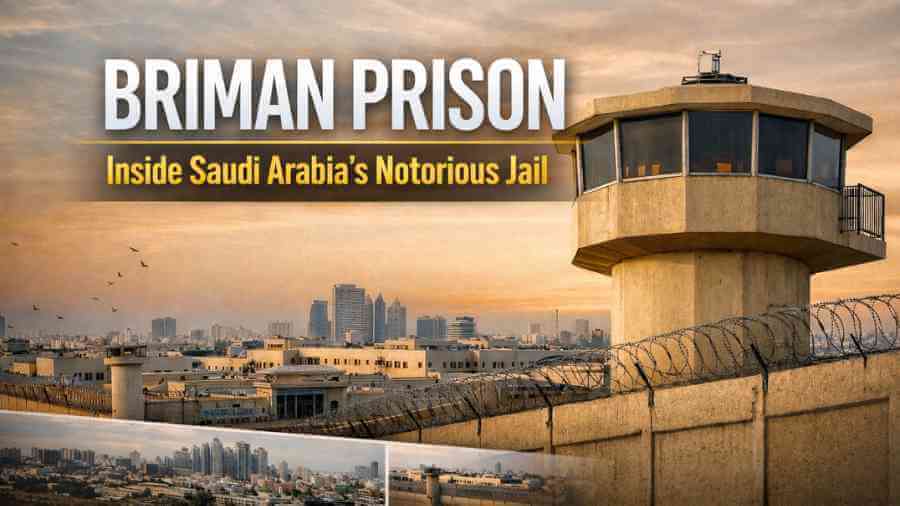
Briman Prison has long been a subject of public discussion in Saudi Arabia, especially among residents of Jeddah and those following developments in the Kingdom’s justice and correctional systems. Known locally by alternate spellings such as Buraiman Prison, this facility has played a significant role in the country’s detention infrastructure for decades. Its reputation has evolved over time, shaped by government reforms, media reports, and broader changes within Saudi Arabia’s legal and social framework.
Location and Strategic Importance in Jeddah
Briman Prison is located in the northern area of Jeddah, a major port city and economic hub in western Saudi Arabia. Jeddah’s position as the gateway to the holy cities of Makkah and Madinah gives the city a unique strategic and administrative importance. As a result, detention facilities in Jeddah often handle a diverse population of inmates, including citizens, residents, and individuals involved in immigration-related cases.
The prison’s placement allows authorities to manage detainees from across the Makkah Province efficiently. Its proximity to major roads and government facilities reflects the logistical planning behind large correctional centers in the Kingdom. Over the years, the surrounding area has developed significantly, turning what was once a more isolated site into part of a growing urban environment.
Historical Background of Briman Prison
Briman Prison was established decades ago, during a period when Saudi Arabia was expanding its institutional infrastructure to meet the needs of a rapidly growing population. At the time of its construction, it was considered one of the largest and most important prisons in the western region of the country.
Initially designed to accommodate a broad range of detainees, the prison became known for housing both short-term and long-term inmates. Over time, population pressures and evolving legal standards prompted authorities to reassess how such facilities were managed. This reassessment eventually led to reforms, expansions, and in some cases the transfer of inmates to newer prisons built with modern standards in mind.
Despite these changes, Briman Prison has remained an operational and symbolic part of Saudi Arabia’s correctional history, often referenced in discussions about prison reform and administrative modernization.
Administrative Structure and Oversight
Briman Prison operates under the supervision of Saudi Arabia’s prison authorities, which are responsible for managing detention facilities across the Kingdom. These authorities oversee security, inmate welfare, discipline, and rehabilitation programs, ensuring that prisons align with national laws and regulations.
Administration within Briman Prison typically includes security personnel, administrative staff, medical teams, and social workers. This structure reflects a broader shift in Saudi corrections, where prisons are no longer viewed solely as places of confinement but also as institutions with responsibilities toward rehabilitation and reintegration.
Decision-making within the facility follows centralized guidelines, while day-to-day management adapts to the specific needs of the inmate population. This combination of national oversight and local administration plays a key role in how the prison functions.
Capacity and Inmate Population
Historically, Briman Prison has been known for housing a large number of inmates. At various points, reports suggested that thousands of detainees were held there, making it one of the more populous prisons in the region. This high capacity often brought attention to issues such as overcrowding and resource allocation.
The inmate population has traditionally been diverse. It has included individuals convicted of criminal offenses, those awaiting trial, and people detained for administrative or immigration-related reasons. This diversity required prison authorities to manage different legal statuses, security levels, and welfare needs within the same facility.
In recent years, efforts to redistribute inmates to newer prisons have aimed to reduce pressure on Briman Prison and improve living conditions across the system. These measures reflect a broader national approach to balancing capacity and humane treatment.
Living Conditions and Daily Life
Life inside Briman Prison is structured around strict routines designed to maintain order and security. Inmates typically follow daily schedules that include meals, designated rest periods, and limited recreational time. As with many large correctional facilities, living conditions have varied over time depending on population levels and available resources.
Authorities have stated that basic needs such as food, medical care, and hygiene are provided to inmates. Medical units within the prison are tasked with addressing routine health issues and coordinating external treatment when necessary. Religious practices also form an important part of daily life, with designated spaces and times for prayer.
Public discussion about living conditions at Briman Prison has often reflected broader debates about prison standards in the region. While official statements emphasize compliance with regulations, independent observers and former detainees have sometimes offered differing perspectives, highlighting the complexity of assessing prison life from outside.
Rehabilitation and Educational Programs
One of the most notable developments associated with Briman Prison has been the introduction of rehabilitation and educational initiatives. In line with Saudi Arabia’s broader reform agenda, prison authorities have increasingly emphasized programs aimed at reducing reoffending and supporting reintegration into society.
These initiatives have included educational classes, vocational training, and cultural activities. Some programs focus on literacy and basic education, while others aim to teach practical skills that inmates can use after release. Religious and moral guidance sessions are also common, reflecting the cultural and social context of the Kingdom.
Rehabilitation efforts are often presented as a way to transform prisons from purely punitive institutions into environments that encourage personal development and responsibility. Briman Prison’s participation in such programs has contributed to its evolving image in public discourse.
Family Contact and Social Support
Maintaining family ties is widely recognized as an important factor in inmate rehabilitation. Briman Prison has, at various times, implemented measures to facilitate family visits and communication. These measures are designed to allow detainees to maintain a sense of connection with their families while serving their sentences.
Special visitation arrangements, including designated family areas, have been highlighted in official reports as part of efforts to humanize the prison environment. Such initiatives aim to reduce the psychological strain of incarceration and support smoother reintegration after release.
Social workers within the prison often play a role in coordinating these efforts, helping inmates navigate family-related issues and plan for life beyond detention.
Briman Prison in Public and Media Discourse
Briman Prison has frequently appeared in Saudi and international media, sometimes as a symbol of broader discussions about justice, detention, and reform. Media coverage has ranged from official reports showcasing improvements and new programs to critical commentary from human rights observers.
This mix of narratives has contributed to the prison’s high public profile. For many readers, Briman Prison represents more than a single facility; it serves as a reference point for understanding how Saudi Arabia’s correctional system has changed over time.
Public perception is also shaped by social media, where personal stories and opinions circulate rapidly. As with many institutions, these perspectives can vary widely, underscoring the importance of approaching the topic with balance and context.
Role Within Saudi Arabia’s Prison Reforms
In recent years, Saudi Arabia has undertaken significant reforms across multiple sectors, including the justice system. New prisons have been built, regulations updated, and administrative practices reviewed. Within this context, Briman Prison occupies an important place as part of the older generation of facilities adapting to new standards.
The transfer of inmates to newer prisons and the introduction of modern management practices have been cited as evidence of this transition. While Briman Prison continues to operate, its role has shifted in response to these broader changes.
Understanding Briman Prison today therefore requires viewing it not in isolation, but as part of a national system in transition, balancing legacy structures with contemporary expectations.
Challenges and Ongoing Discussions
Like many large correctional facilities, Briman Prison faces ongoing challenges. These include managing capacity, ensuring consistent living standards, and addressing the needs of a diverse inmate population. Public discussions often focus on transparency, accountability, and the balance between security and humane treatment.
Such challenges are not unique to Saudi Arabia, but they take on specific characteristics within the Kingdom’s legal and cultural framework. Briman Prison’s prominence means that it often becomes a focal point for these broader debates.
Continued attention to policy development, staff training, and infrastructure investment will likely shape the prison’s future and its role within the correctional system.
Conclusion
Briman Prison remains one of the most discussed detention facilities in Saudi Arabia, particularly in the context of Jeddah and the Makkah Province. Its long history, large capacity, and evolving role within the Kingdom’s prison system make it a significant institution to understand.
From its strategic location and administrative structure to its rehabilitation programs and public perception, Briman Prison reflects both the challenges and the changes taking place in Saudi Arabia’s approach to corrections. While opinions about the facility vary, its importance in national conversations about justice and reform is undeniable.