
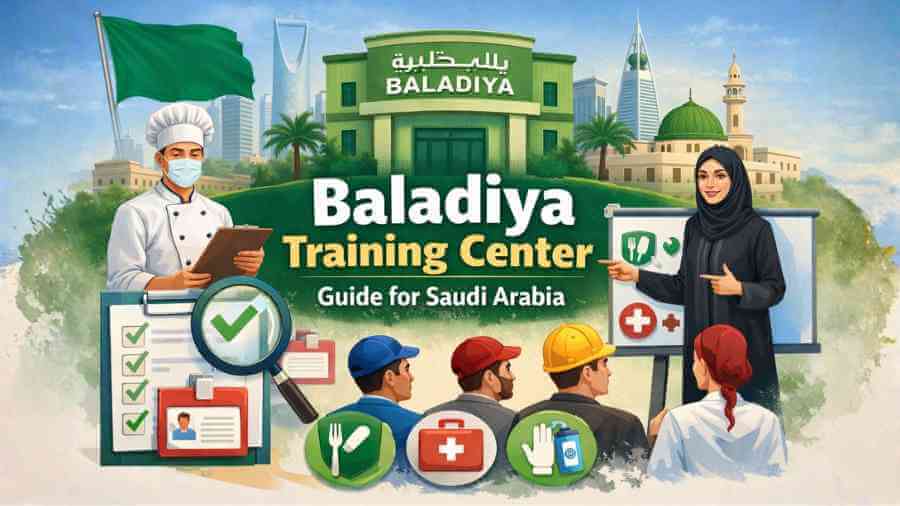
The baladiya training center plays a vital role in Saudi Arabia’s municipal and public health ecosystem. It supports workers, businesses, and professionals who must comply with municipality regulations enforced by local authorities. From food safety awareness to hygiene standards and professional readiness, baladiya training centers help individuals meet the practical and legal requirements needed to work in regulated sectors.
Understanding the Role of a Baladiya Training Center
What Is a Baladiya Training Center?
A baladiya training center is a facility or authorised provider that prepares individuals to meet municipal requirements set by local authorities. These requirements often relate to health, hygiene, safety, and compliance for people working in public-facing roles.
Baladiya training is not only about passing assessments. It focuses on educating workers so they understand regulations, apply best practices, and maintain standards consistently in their workplaces.
Why Baladiya Training Exists
Municipal authorities in Saudi Arabia are responsible for public safety, cleanliness, and order. To achieve this, workers must be trained to follow strict guidelines. Baladiya training centers exist to bridge the gap between regulation and real-world application.
These centers help ensure that food handlers, service staff, and technical workers understand their responsibilities and operate within legal frameworks.
Who Needs Training from a Baladiya Training Center?
Workers in Food and Hospitality Sectors
People working in restaurants, cafés, catering services, bakeries, and food factories are among the primary beneficiaries of baladiya training. Food handling carries a high public health risk, making proper training essential.
Professionals in Public-Facing Services
Salons, barber shops, cleaning services, and similar businesses often require municipal compliance. Training helps staff follow hygiene rules, use equipment safely, and maintain clean environments.
Business Owners and Supervisors
Owners and managers also attend baladiya training to understand inspection requirements, documentation processes, and compliance responsibilities. This knowledge helps them avoid penalties and maintain operational continuity.
Types of Training Offered by a Baladiya Training Center
Health and Hygiene Training
This training focuses on cleanliness, personal hygiene, disease prevention, and sanitation. Participants learn how infections spread and how to prevent contamination in work environments.
Food Safety Awareness
Food safety modules teach correct food storage, preparation methods, temperature control, and waste management. These practices protect customers and improve service quality.
Municipal Compliance Training
Compliance sessions explain local regulations, inspection procedures, and documentation standards. Trainees learn what inspectors look for and how to stay compliant year-round.
Occupational Safety Training
Some baladiya training centers include safety modules that cover equipment handling, accident prevention, and emergency response. This is particularly useful for technical and industrial workers.
How Training at a Baladiya Training Center Works
Registration and Eligibility
Participants usually register through approved channels or authorised providers. Eligibility depends on profession, work sector, and municipal requirements.
Training Format
Training may be delivered in classrooms, workshops, or blended formats combining theory and practical demonstrations. Sessions are designed to be clear and accessible, even for workers with limited formal education.
Assessment and Certification
After training, participants may complete assessments to demonstrate understanding. Successful candidates receive certification or documentation required for municipal approval.
Importance of Baladiya Training for Public Health
Protecting Communities
Proper training reduces health risks by ensuring workers follow safe practices. This directly impacts public health, especially in food and service industries.
Raising Professional Standards
Baladiya training encourages professionalism and accountability. Workers understand their role in maintaining safety and quality.
Supporting Urban Development
Well-trained workers contribute to cleaner cities, safer businesses, and improved service standards, aligning with Saudi Arabia’s broader development goals.
Benefits of Attending a Baladiya Training Center
Legal Compliance
Training helps workers and businesses meet legal obligations and avoid fines or closures.
Career Opportunities
Certified individuals often find better job opportunities, as employers prefer trained and compliant staff.
Confidence and Knowledge
Training builds confidence by providing clear guidelines and practical knowledge applicable to daily work.
Business Reputation
Businesses employing trained staff gain trust from customers and authorities alike.
Challenges Addressed by Baladiya Training Centers
Language Barriers
Many training centers adapt their teaching methods to support workers from diverse backgrounds, ensuring understanding regardless of language limitations.
Knowledge Gaps
Training addresses gaps in awareness about hygiene, safety, and regulations that could otherwise lead to violations.
Consistency in Standards
By standardising knowledge, baladiya training centers help maintain consistent service quality across regions.
How to Choose the Right Baladiya Training Center
Authorisation and Recognition
Always ensure the training center is recognised by local municipal authorities. This ensures certifications are valid.
Course Content Quality
Look for centres offering practical, up-to-date content aligned with current regulations.
Trainer Experience
Experienced trainers provide clearer explanations and real-world insights.
Accessibility and Support
Good centers offer flexible schedules, language support, and clear guidance throughout the process.
The Future of Baladiya Training in Saudi Arabia
Digital Transformation
Training is increasingly integrating digital tools, online sessions, and electronic assessments to improve accessibility.
Enhanced Public Awareness
Municipal authorities continue to emphasise education over penalties, making training a key component of compliance.
Alignment with National Vision
Baladiya training supports broader national goals by promoting safe workplaces, skilled workers, and improved service standards.
Conclusion
The baladiya training center is a cornerstone of municipal compliance and public safety in Saudi Arabia. By educating workers and businesses, it ensures regulations are understood and applied effectively. From food safety to hygiene and legal awareness, baladiya training supports healthier communities, stronger businesses, and higher professional standards. For anyone working in regulated sectors, investing time in baladiya training is not just a requirement—it is a step toward long-term success and responsibility.
FAQs
What is the main purpose of a baladiya training center?
A baladiya training center prepares individuals to meet municipal health, safety, and compliance requirements. It ensures workers understand and follow regulations that protect public safety.
Is baladiya training mandatory for all workers?
Baladiya training is mandatory for specific professions, especially those related to food handling and public services. Requirements depend on job roles and local regulations.
How long does baladiya training usually take?
Training duration varies by course type but is typically short and focused. Most programmes are designed to be completed efficiently without disrupting work schedules.
Does baladiya training improve job opportunities?
Yes, certified individuals often have better employment prospects because employers value compliance and professionalism.
Can business owners attend baladiya training?
Business owners and supervisors are encouraged to attend training. It helps them understand inspections, documentation, and compliance responsibilities.