
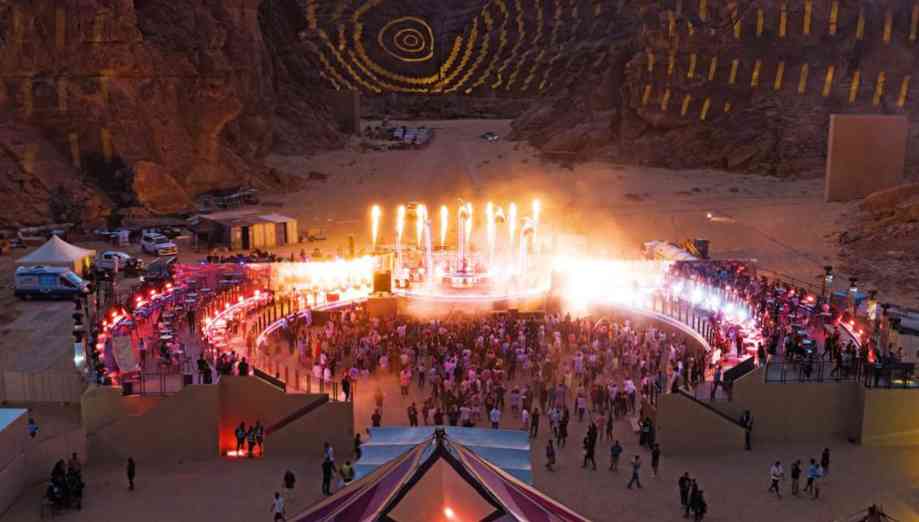
Azimuth AlUla has emerged as one of the most distinctive cultural festivals in Saudi Arabia, blending global music, immersive art, and the raw beauty of the desert into a single, unforgettable experience. Set against the dramatic sandstone landscapes of AlUla, this festival is not just about performances—it is about atmosphere, identity, and the Kingdom’s evolving creative vision.
What Is Azimuth AlUla?
Azimuth AlUla is a large-scale music and arts festival held annually in the AlUla region of north-west Saudi Arabia. Designed to coincide with national celebrations and peak cultural seasons, the event brings together international artists, regional talent, and local creatives in a multi-night desert spectacle.
Unlike conventional festivals hosted in cities or stadiums, azimuth alula is deeply connected to its environment. The open desert, rock canyons, and expansive night sky are not just a backdrop—they are an integral part of the experience. Sound, light, and space are used creatively to enhance the feeling of being immersed in something rare and elemental.
The Meaning Behind the Name “Azimuth”
The word “azimuth” refers to direction, orientation, and alignment—particularly in astronomy and navigation. This symbolism fits perfectly with the festival’s concept. Azimuth AlUla represents a new direction for entertainment in the region, aligning tradition, nature, and modern creativity.
The name also subtly reflects the desert setting. For centuries, travellers navigated deserts by stars and horizons. In that sense, azimuth alula connects ancient ways of finding direction with contemporary cultural expression.
Why AlUla Is the Perfect Location
A Landscape Like No Other
AlUla is known for its towering rock formations, vast open plains, and historic sites carved into sandstone. Hosting azimuth alula here creates a striking contrast between cutting-edge music production and ancient natural beauty. At night, the desert transforms into an almost cinematic environment, where lights and sound echo off rock walls and open skies.
Cultural Significance
AlUla is one of Saudi Arabia’s most culturally rich regions, with a history stretching back thousands of years. By placing a modern festival in this setting, azimuth alula bridges past and present, showing how heritage and innovation can coexist.
A Destination Experience
Attending azimuth alula is not just about a few hours of music. Visitors often plan multi-day trips, exploring the region’s heritage sites, landscapes, and cultural activities alongside the festival itself. This destination-based approach sets it apart from many other global music events.
Music at the Heart of Azimuth AlUla
A Global Line-Up
One of the defining features of azimuth alula is its diverse musical programme. The festival typically features internationally recognised performers alongside rising regional artists. Genres often include electronic, house, techno, pop, and experimental sounds, creating a wide appeal for different audiences.
Regional and Local Talent
Azimuth AlUla also plays an important role in showcasing Middle Eastern and Saudi artists. By sharing the same stages as international acts, local performers gain exposure while audiences experience a richer, more varied musical journey.
Night-Focused Performances
Many performances at azimuth alula extend late into the night, embracing the cooler desert temperatures and the natural rhythm of nocturnal celebration. Music under the stars becomes a defining memory for many attendees.
Art, Light, and Immersive Design
Large-Scale Visual Installations
Beyond music, azimuth alula is known for its visually striking installations. Light structures, projection art, and sculptural elements are placed across the venue, turning the desert into a living gallery.
Stage Design as Storytelling
Stages at azimuth alula are not generic platforms. Each one is designed to complement the surrounding environment, often using natural rock formations as part of the visual composition. This approach makes each performance feel site-specific and unique.
An Immersive Atmosphere
Sound design, lighting transitions, and spatial planning all work together to create a sense of immersion. Rather than moving between isolated areas, attendees often feel as if they are journeying through a continuous artistic landscape.
Audience Experience and Festival Culture
Who Attends Azimuth AlUla?
The audience at azimuth alula is diverse, including local Saudi attendees, regional visitors, and international travellers. Many are drawn by music, while others come for the atmosphere, location, or cultural significance.
Dress and Expression
Festival fashion at azimuth alula often blends global trends with regional influences. Attendees express themselves creatively while remaining mindful of local cultural norms, resulting in a distinctive and respectful festival style.
Social and Shared Moments
Despite its scale, azimuth alula often feels communal. Shared awe at the landscape, collective energy during performances, and long desert nights create strong connections among attendees.
Azimuth AlUla and Saudi Arabia’s Cultural Vision
A New Era of Entertainment
Azimuth AlUla reflects Saudi Arabia’s broader efforts to diversify entertainment and tourism. The festival demonstrates how large-scale international events can be hosted in culturally meaningful locations without losing authenticity.
Supporting Creative Industries
By involving artists, designers, technicians, and organisers from both within and outside the Kingdom, azimuth alula contributes to the growth of creative industries and skills development.
Global Recognition
Coverage and word-of-mouth from past editions have positioned azimuth alula as a festival of global interest. Its unique setting differentiates it from urban festivals, making it memorable for international audiences.
Practical Aspects of Attending Azimuth AlUla
Timing and Season
Azimuth AlUla is usually held during cooler months, making outdoor desert events more comfortable. Evenings can still be cool, so layered clothing is often recommended.
Travel and Accommodation
Visitors typically stay in nearby hotels, desert lodges, or organised accommodations. Transport arrangements are often coordinated to ensure smooth access to the festival site.
Safety and Organisation
The event is professionally managed, with security, medical services, and crowd control in place. Clear organisation contributes to a relaxed yet secure atmosphere.
The Emotional Impact of Azimuth AlUla
Many attendees describe azimuth alula as more than just a festival—it is an emotional experience. The combination of music, scale, silence between sets, and the vastness of the desert creates moments of reflection alongside celebration.
Standing in an open landscape, surrounded by sound and light, often leaves a lasting impression. For some, it is their first encounter with the Saudi desert; for others, it is a new way of seeing a familiar land.
Future Potential of Azimuth AlUla
As the festival continues to evolve, azimuth alula has the potential to become a long-term cultural landmark. Each edition builds on the last, refining production quality while preserving the raw essence that makes it special.
With increasing interest from artists and audiences alike, the festival’s future seems aligned with continued innovation, deeper cultural integration, and sustained global relevance.
FAQs
What makes azimuth alula different from other music festivals?
Its desert location, immersive design, and connection to heritage set it apart from city-based festivals.
Is azimuth alula only about electronic music?
No. While electronic music is prominent, the festival often includes multiple genres and diverse artists.
Can international visitors attend azimuth alula?
Yes. The festival welcomes both local and international audiences and is designed as a destination event.
Is azimuth alula suitable for first-time visitors to Saudi Arabia?
Many first-time visitors attend the festival and experience Saudi culture in a modern, welcoming setting.
Does azimuth alula focus on art as well as music?
Yes. Visual art, lighting installations, and stage design are core elements of the overall experience.
Conclusion
Azimuth AlUla stands as a powerful example of how music, art, and place can come together to create something truly distinctive. By embracing the desert rather than competing with it, the festival offers an experience that feels both modern and timeless. As azimuth alula continues to grow, it is shaping a new narrative for cultural events in Saudi Arabia—one rooted in landscape, creativity, and shared human experience.