

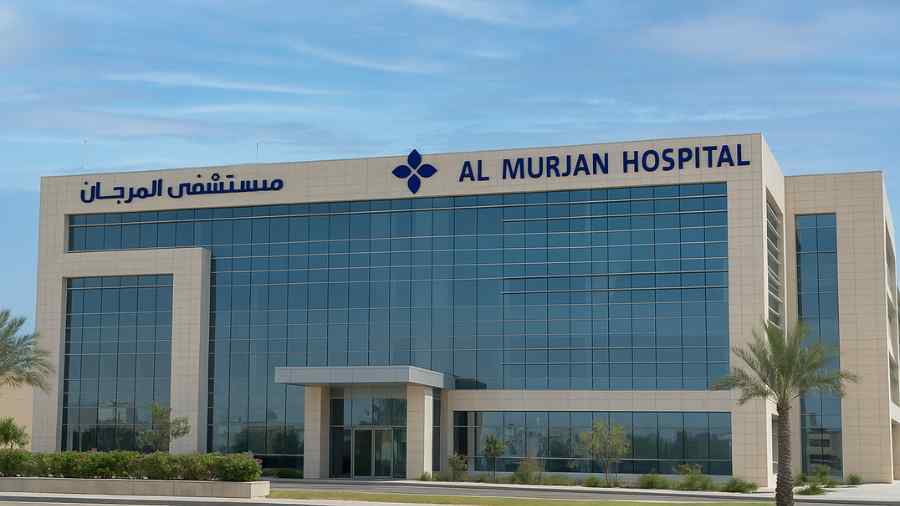
Healthcare development in Saudi Arabia has experienced rapid growth over the past decade, with new medical facilities aiming to raise the quality of healthcare infrastructure across the Kingdom. Among these emerging medical centers, Al Murjan Hospital stands out as a modern healthcare project designed to provide advanced medical services to residents and expatriates. As part of a large hospital and medical city initiative, Al Murjan Hospital is expected to contribute significantly to the healthcare ecosystem in Jeddah and surrounding regions.
Overview of Al Murjan Hospital
Al Murjan Hospital is a prominent healthcare development initiative in Jeddah, Saudi Arabia, known for its modern structure, quality-driven medical planning, and alignment with international healthcare standards. Built with the vision of becoming a premium medical facility, the hospital aims to serve the growing population with comprehensive medical care solutions. It forms a part of a broader project known as Al Murjan Medical City, which includes healthcare units, supporting facilities, and future expansion capabilities. The hospital project represents ambition, innovation, and commitment to patient-focused medical services.
The concept behind Al Murjan Hospital is based on providing a holistic medical environment where emergency services, outpatient departments, diagnostic labs, operating theaters, and specialized clinics function under one integrated system. The goal is to reduce the burden on existing healthcare facilities and give patients more access to advanced treatment options within Jeddah.
Location and Infrastructure
Strategically located in Jeddah, a coastal city known as one of Saudi Arabia’s most active economic and residential hubs, Al Murjan Hospital benefits from strong accessibility and public connectivity. The hospital is situated near commercial and residential zones, making it convenient for families and working individuals. The infrastructure was designed with modern architectural principles, including energy-efficient systems, patient-friendly interior spaces, and advanced medical layouts that support workflow for doctors, nurses, and emergency teams.
The hospital covers a considerable land area, with a multi-floor structure capable of handling high daily patient traffic. Multiple references indicate that the building includes basement, ground, and several upper levels. Spacious wards, private patient rooms, ICU units, diagnostic areas, and surgical blocks are essential parts of its design. Wide corridors, natural lighting elements, and modern ventilation systems reflect a focus on patient comfort and safety.
Medical Services and Specialties
Al Murjan Hospital is planned to offer a wide range of medical departments to meet varied patient needs. These services include, but are not limited to:
- General Medicine and Family Health
- Internal Medicine
- Pediatrics and Neonatal Care
- Emergency Services
- Cardiology and Heart Care
- Orthopedics and Trauma Services
- Obstetrics and Gynecology
- Surgery and Operating Rooms
- Diagnostic Radiology and Medical Imaging
- Laboratory and Pathology Services
- Outpatient Clinics for Various Specialties
The inclusion of different departments signifies a full-service hospital environment where patients can receive diagnosis, treatment, recovery assistance, and follow-up care in the same facility. Families benefit especially from having pediatrics, maternity, and emergency services available under one roof.
Capacity and Patient Handling
Planning references often mention the hospital as a medium to large-scale healthcare facility. Some publications refer to a 130-bed general hospital model, while others highlight plans for around 200 beds under expansion strategies. Regardless of the final number, the capacity is sufficient to manage high patient flow and cater to emergency cases with ease. The hospital’s Intensive Care Units, general wards, and private rooms are structured to meet varied treatment needs.
Emergency units are expected to be one of the strongest strengths of Al Murjan Hospital. With trauma care, ambulance reception bays, and acute response teams, the hospital aims to play a vital role in urgent care delivery within Jeddah. Having a high-efficiency emergency department also supports regional healthcare load balancing, reducing wait time for patients who require critical medical support.
Design Philosophy and Modern Facilities
The architecture is crafted with an emphasis on international hospital planning standards. Patient rooms are designed for comfort, privacy, and hygiene, with a healthy environment that supports physical and emotional recovery. Operation theaters will feature advanced technology for surgeries ranging from routine procedures to complex operations. Diagnostic imaging departments are expected to include essential medical equipment such as MRI, CT scans, digital X-Ray machines, and ultrasound systems.
Waiting areas are spacious, providing a relaxed experience for visitors. Cafeterias, reception halls, and prayer areas contribute to a convenient environment for families accompanying patients. Accessibility features such as ramps, lifts, and guidance signage ensure that patients with disabilities receive equal convenience inside the hospital.
Impact on Saudi Healthcare and Vision 2030 Alignment
Saudi Vision 2030 aims to improve the healthcare sector by increasing private sector participation, enhancing hospital standards, and improving accessibility for citizens and residents. Al Murjan Hospital plays an important role in this transformation. Private healthcare growth is essential to reduce pressure on government hospitals and to introduce innovation, technological advancement, and global expertise into medical services.
The arrival of new hospitals like Al Murjan Hospital helps diversify medical care options. It increases healthcare job opportunities for Saudi citizens, including doctors, nurses, pharmacists, technicians, and administrative personnel. The development also encourages collaboration with international healthcare bodies, leading to better medical practices and training opportunities.
Technology and Digitization Prospects
Modern hospitals worldwide are adopting digital health solutions such as electronic medical records, online appointment systems, teleconsultation platforms, and smart diagnostics. Al Murjan Hospital has the potential to implement these technologies as part of its operational strategy. Digital patient history tracking allows faster treatment decisions, reduces paperwork, and improves communication among healthcare teams. Telehealth services can enable remote consultations for patients who require follow-up without visiting the hospital physically.
With the rise of artificial intelligence in medical screening and predictive diagnosis, future integration of AI-assisted tools may also become a part of the hospital’s technological evolution. Real-time monitoring systems, smart ICU devices, and automated medication distribution are areas that modern hospitals focus on, and Al Murjan Hospital has an excellent foundation to adopt such enhancements.
Community Role and Patient Experience
Hospitals are not only medical structures; they are community pillars. Al Murjan Hospital is positioned to serve families, workers, students, and elderly populations who require accessible healthcare. Educational programs such as health awareness campaigns, vaccination drives, maternal safety seminars, or chronic illness management workshops could become part of its community engagement initiatives.
Patient experience is an essential part of hospital success. A welcoming environment, transparent billing, efficient appointment scheduling, and empathetic staff interaction are elements that create a positive reputation. Al Murjan Hospital aims to provide a patient-first approach where care, comfort, and clarity are priorities. A strong feedback mechanism can help continuously enhance service quality.
The Future of Al Murjan Hospital
As development continues, Al Murjan Hospital is expected to evolve into one of the key healthcare hubs in Jeddah. Its role may expand from general medical services to advanced treatments, medical research initiatives, and training opportunities for healthcare students. Growth potential includes adding specialized units such as oncology centers, cardiac institutes, fertility departments, bariatric surgery units, mental health clinics, and rehabilitation centers.
Future expansion can also support medical tourism, especially considering Jeddah’s international connectivity. Many patients from nearby countries seek affordable yet high-quality treatment, and a modern hospital with skilled medical teams could attract international visitors.
Conclusion
Al Murjan Hospital represents modern healthcare development in Saudi Arabia, offering advanced facilities, patient-friendly architecture, and diverse medical services. Designed to support Saudi Vision 2030 goals, this hospital stands as a symbol of growth and commitment to public well-being. With its strategic location in Jeddah, potential for technological integration, and a broad portfolio of specialties, Al Murjan Hospital is preparing to serve thousands of patients while setting a strong foundation for future healthcare expansion. As development progresses and services expand, the hospital is poised to become a leading medical institution recognized for excellence, innovation, and quality healthcare delivery within Saudi Arabia and beyond.