

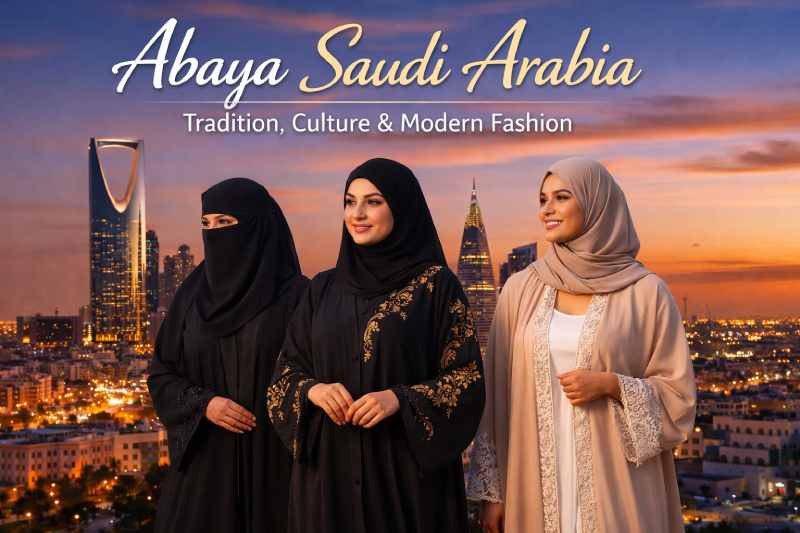
The Abaya Saudi Arabia represents far more than a piece of clothing. It reflects culture, identity, tradition, and evolving fashion trends within the Kingdom. For generations, the abaya has been an important part of women’s attire across Saudi society. Traditionally worn as a loose, flowing cloak, it embodies modesty while also expressing cultural heritage.
Over the past several decades, the abaya has transformed from a purely traditional garment into a symbol of modern modest fashion. Designers, entrepreneurs, and young Saudi women have reshaped the abaya into a stylish yet culturally rooted outfit. Today it is not only worn across Saudi Arabia but has also gained global recognition in the world of modest fashion.
The Origins of the Abaya
The history of the abaya can be traced back centuries across the Arabian Peninsula. In desert environments, long and loose garments were practical for protection against harsh weather conditions such as intense sun, heat, and sand.
Early forms of outer garments worn by women in the region were designed to provide both modesty and protection. Over time, these garments evolved into what we now recognise as the abaya. The traditional version was simple in design, typically black in colour, and made from lightweight fabrics suitable for warm climates.
The black colour became widely associated with Saudi culture because it provided an elegant, unified appearance while allowing women to move comfortably in public spaces. As the Kingdom developed socially and economically, the abaya remained an enduring element of everyday life.
Cultural Importance of the Abaya
In Saudi society, clothing often carries strong cultural and social meanings. The abaya has long been regarded as a symbol of dignity, modesty, and respect.
Many Saudi women wear it when going outside their homes, particularly in public spaces such as shopping centres, workplaces, and mosques. The garment is typically worn over everyday clothing, allowing women to maintain modesty while expressing personal style beneath it.
For families and communities, the abaya also represents cultural continuity. Mothers pass traditions of dress and etiquette to younger generations, making the garment part of social identity.
The significance of Abaya Saudi Arabia extends beyond clothing; it represents a shared heritage that connects generations of women across the Kingdom.
Traditional Design and Features
Traditional abayas were known for their simplicity and functionality. They were generally made from lightweight black fabric and designed to drape loosely over the body.
Some common features of traditional abayas include:
- Long, flowing silhouette
- Loose fit for comfort and modesty
- Lightweight fabric suitable for warm climates
- Minimal decoration or embellishment
The traditional abaya is often worn together with a headscarf, commonly known as a hijab. In some regions, women also wear a face veil known as a niqab, though practices vary depending on personal preference and cultural customs.
Despite its simplicity, the garment has always maintained an elegant appearance that reflects Saudi cultural values.
Evolution of Abaya Fashion
In recent years, the design of the abaya has undergone remarkable transformation. While the traditional black cloak remains widely worn, modern interpretations have introduced creativity and diversity into its design.
Designers have experimented with:
- Different fabrics such as chiffon, silk, and crepe
- Decorative embroidery and beadwork
- Open-front styles similar to coats
- Subtle colour variations and patterns
These innovations allow women to express individuality while still respecting cultural expectations. The fashion industry in Saudi Arabia has embraced this evolution, with designers creating unique collections that combine traditional silhouettes with contemporary trends.
The growing popularity of modest fashion globally has also contributed to the transformation of Abaya Saudi Arabia, making it a recognised garment beyond the Middle East.
The Role of the Abaya in Modern Saudi Society
Saudi Arabia has experienced significant social and cultural changes in recent years. As the country continues to modernise, women have taken on increasingly active roles in education, business, and public life.
The abaya remains a common part of daily attire, but its role has shifted from strict tradition to a combination of cultural identity and personal expression. Many women now choose styles that reflect their personality while maintaining modesty.
Some women prefer classic designs, while others opt for fashionable versions with creative tailoring. This diversity reflects the broader transformation of Saudi society, where tradition and modernity coexist.
The presence of Abaya Saudi Arabia in workplaces, universities, and social events highlights how the garment continues to adapt to contemporary lifestyles.
The Rise of Saudi Abaya Designers
The modern fashion industry within Saudi Arabia has produced a new generation of designers who specialise in abayas. These designers are redefining the garment through innovation and artistic expression.
Local fashion brands have introduced collections that incorporate luxurious fabrics, elegant embroidery, and modern cuts. Many designers aim to create abayas that combine modesty with sophistication, appealing to both traditional and younger audiences.
Fashion shows, exhibitions, and social media platforms have helped Saudi designers reach international markets. As a result, the abaya has become a fashionable statement piece admired around the world.
The global interest in modest fashion has further increased demand for stylish designs inspired by Abaya Saudi Arabia, showcasing Saudi creativity on an international stage.
Materials Used in Modern Abayas
The quality and comfort of an abaya largely depend on the fabric used in its construction. Traditionally, fabrics were chosen for their durability and suitability for warm climates.
Modern abayas now use a wide variety of materials, including:
Crepe
Crepe is one of the most popular fabrics for abayas. It is lightweight, breathable, and drapes elegantly.
Chiffon
Chiffon is often used in layered designs or decorative sleeves. It creates a graceful and flowing appearance.
Linen
Linen abayas are ideal for warm climates because they allow air circulation and provide comfort during hot weather.
Silk Blends
Silk blends offer a luxurious feel and are commonly used in designer collections.
These materials allow designers to experiment with textures and movement while maintaining the modest silhouette associated with the abaya.
Abaya Styles Popular in Saudi Arabia
Today, several styles have become popular among Saudi women, each reflecting different fashion preferences.
Closed Abaya
This is the traditional style that is worn as a single flowing garment without an opening in the front.
Open Abaya
The open-front abaya resembles a coat or robe and is worn over clothing. It has become very popular in modern fashion.
Embroidered Abaya
These designs include decorative embroidery along sleeves, collars, or hems, adding elegance to the garment.
Minimalist Abaya
Minimalist styles feature clean lines and subtle detailing, appealing to women who prefer a simple yet modern look.
Designer Abaya
Luxury abayas often incorporate high-end fabrics and intricate craftsmanship, making them suitable for special occasions.
Each style demonstrates the versatility of Abaya Saudi Arabia and its ability to evolve with changing fashion trends.
Abaya in Global Fashion Trends
The influence of Saudi culture on modest fashion has expanded beyond the Middle East. International designers and fashion houses have begun incorporating abaya-inspired garments into their collections.
Fashion events in cities such as Dubai, Riyadh, and Paris have highlighted modest fashion as an emerging global market. Many international buyers now recognise the elegance and practicality of abaya designs.
Social media has also played a major role in promoting modest fashion influencers who showcase modern abaya styles. Through digital platforms, Saudi designers can reach global audiences and share their creative work.
As a result, the abaya has transitioned from a regional garment to an internationally admired fashion piece.
Social Meaning and Personal Identity
For many women in Saudi Arabia, wearing an abaya is a personal choice shaped by cultural identity, faith, and fashion preferences.
Some women view it as a connection to tradition and family heritage. Others see it as an opportunity to express individuality through design and styling.
The flexibility of modern abaya fashion allows women to balance modesty with personal taste. This evolving perspective reflects broader social changes within the Kingdom.
The continuing presence of Abaya Saudi Arabia in everyday life highlights its ability to remain relevant while adapting to new cultural dynamics.
FAQs
What is an abaya in Saudi Arabia?
An abaya is a long, loose outer garment worn by many women in Saudi Arabia to maintain modesty in public spaces. It is traditionally black and worn over regular clothing.
Is wearing an abaya mandatory in Saudi Arabia?
Wearing an abaya is no longer legally required in Saudi Arabia, but many women still wear it due to cultural traditions and personal preference.
Why are most abayas black?
Black became the traditional colour because it offers a simple, elegant appearance and has historically been associated with modest attire in Saudi culture.
Can abayas be fashionable?
Yes. Modern designers create stylish abayas with embroidery, unique cuts, and luxury fabrics, making them fashionable while still modest.
Do women wear abayas outside Saudi Arabia?
Yes. Women in several Gulf countries and parts of the Middle East wear abayas, and the garment has also become popular in the global modest fashion industry.
Conclusion
The abaya has remained one of the most recognisable symbols of Saudi culture for generations. Rooted in tradition yet constantly evolving, it represents modesty, identity, and heritage within the Kingdom.
From its simple beginnings as a practical desert garment to its modern role in international fashion, the abaya continues to adapt to changing social and cultural landscapes. Designers, influencers, and everyday women are redefining its style while preserving its cultural meaning.