

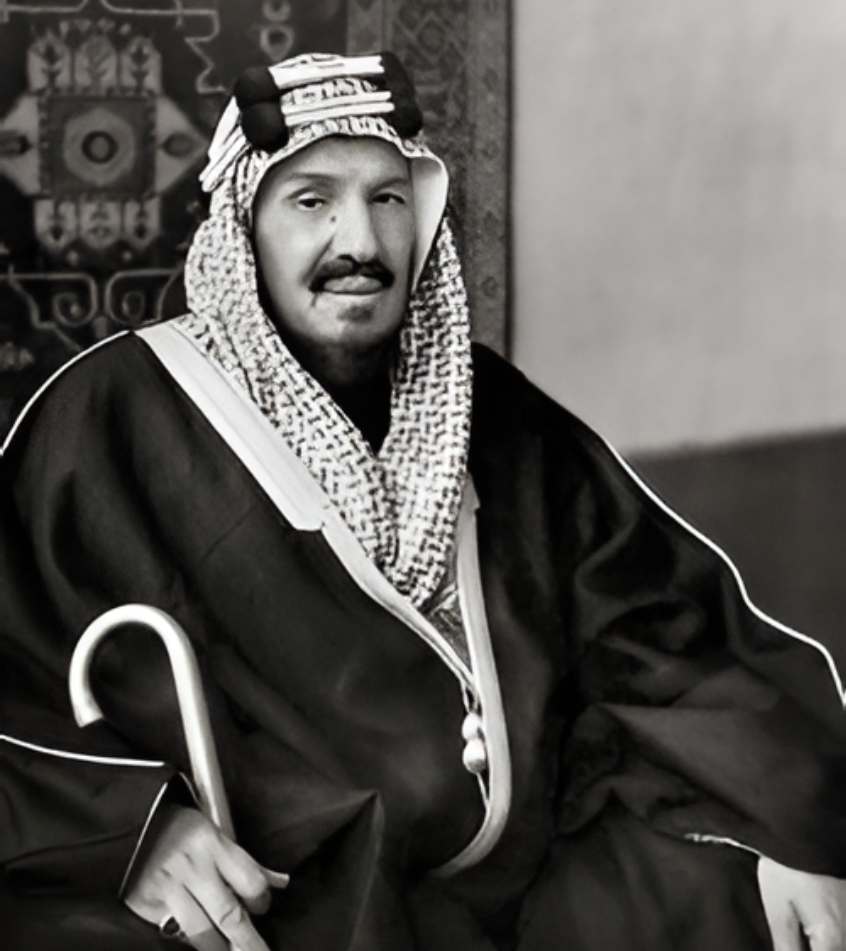
Nawwaf bin Abdulaziz Al Saud was one of the most understated yet influential figures in modern Saudi Arabian political history. Known for his calm demeanour, discretion, and loyalty to the Saudi state, he served the Kingdom across several decades during periods of internal transformation and regional uncertainty. While he never sought public prominence, his roles placed him at the heart of governance, diplomacy, and national security.
Early Life and Royal Lineage
Birth and Family Background
Nawwaf bin Abdulaziz Al Saud was born on 16 August 1932 in Taif, during the formative years of the modern Saudi state. He was a son of King Abdulaziz Al Saud, the founder and first monarch of Saudi Arabia. Being part of the first generation born after the consolidation of the Kingdom, Nawwaf grew up in an environment shaped by state-building, tribal reconciliation, and religious legitimacy.
His mother, Munaiyir, was one of King Abdulaziz’s wives, and Nawwaf belonged to a branch of the royal family known for its intellectual curiosity and reformist inclinations. Several of his siblings later became known for progressive ideas, particularly during the mid-20th century.
Upbringing in a Changing Kingdom
As a young prince, Nawwaf was raised at a time when Saudi Arabia was transitioning from a traditional desert kingdom into a modern state enriched by oil revenues. His upbringing combined classical Islamic education with exposure to governance, diplomacy, and international affairs. This blend would later define his style of leadership: respectful of tradition, yet attentive to modern realities.
Education and Intellectual Formation
Traditional and Modern Learning
Nawwaf bin Abdulaziz Al Saud received his early education within the royal system, studying:
-
Islamic jurisprudence
-
Arabic language and literature
-
Saudi and Arab history
-
Geography and governance
Unlike many royals of earlier generations, he also pursued education abroad. He spent time studying in the United States, where he was exposed to Western political systems, strategic thinking, and international relations. This experience broadened his worldview and enhanced his ability to engage with foreign counterparts later in life.
Influence of Education on Leadership Style
His education shaped a personality that favoured analysis over rhetoric and quiet diplomacy over public confrontation. Colleagues and observers often described him as thoughtful, measured, and highly disciplined—traits that suited the sensitive positions he would later hold.
Early Career in State Service
Commander of the Royal Guard
One of Nawwaf bin Abdulaziz Al Saud’s earliest significant roles was as Commander of the Royal Guard in the early 1950s. At a relatively young age, he was entrusted with the security of the royal family and key state institutions. This position required absolute loyalty, discretion, and organisational skill.
Serving during a period of internal royal rivalries and regional instability, his performance established his reputation as a dependable and calm officer.
Ministerial and Court Roles
In the early 1960s, Nawwaf briefly held senior administrative roles, including:
-
Chief of the Royal Court
-
A short tenure as Minister of Finance
Although these appointments were brief, they provided him with direct experience in economic administration and royal decision-making at the highest level.
Advisory Role Under King Faisal
Special Adviser for Gulf Affairs
During the reign of King Faisal bin Abdulaziz Al Saud, Nawwaf bin Abdulaziz Al Saud served as a special adviser on Gulf and regional affairs. This period coincided with major geopolitical shifts, including:
-
The British withdrawal from the Gulf
-
The rise of new Gulf states
-
Growing Cold War influence in the Middle East
Nawwaf played a role in advising on Saudi Arabia’s approach to regional cooperation, security arrangements, and diplomatic engagement with neighbouring states.
Participation in International Delegations
He was frequently included in official delegations to Arab and Islamic summits. His low-profile but respected presence made him a trusted representative in sensitive diplomatic discussions.
Director General of Saudi Intelligence
Appointment After a Critical Moment
The most prominent chapter in Nawwaf bin Abdulaziz Al Saud’s career came when he was appointed Director General of Saudi Intelligence in September 2001, succeeding Prince Turki bin Faisal. His appointment came just weeks before the 11 September attacks, placing him at the centre of one of the most challenging periods in modern Saudi security history.
Responsibilities and Challenges
As intelligence chief, his responsibilities included:
-
Counterterrorism strategy
-
Intelligence coordination with international partners
-
Domestic security oversight
-
Managing sensitive foreign intelligence relationships
Saudi Arabia faced internal extremist threats during this time, and Nawwaf’s tenure focused on stabilisation, institutional coordination, and behind-the-scenes cooperation.
Leadership Style in Intelligence
Unlike more publicly visible intelligence figures, Nawwaf bin Abdulaziz Al Saud maintained near-total discretion. He rarely appeared in media and avoided public commentary, reinforcing the intelligence service’s culture of confidentiality.
His leadership was widely viewed as steady and transitional, helping the organisation navigate a complex global environment before handing over responsibilities to his successor in 2005.
Relationship with King Abdullah
Nawwaf was considered close to King Abdullah bin Abdulaziz Al Saud, both personally and politically. Their relationship was built on mutual trust, pragmatism, and shared concern for national stability.
Even after leaving formal office, Nawwaf remained a respected adviser whose opinions were quietly sought on matters of security and governance.
Personal Life and Character
A Private Personality
In contrast to many public figures, Nawwaf bin Abdulaziz Al Saud lived a notably private life. He avoided controversy, public disputes, and media exposure. This discretion enhanced his credibility within both royal and governmental circles.
Family and Legacy
He was the father of several children who continued the family’s tradition of public service. Most notably:
-
Prince Mohammed bin Nawwaf Al Saud, who served as a senior Saudi diplomat and ambassador
-
Prince Faisal bin Nawwaf, who later became Governor of Al-Jawf Province
Through his children, Nawwaf’s influence extended into diplomacy and regional administration.
Final Years and Passing
Nawwaf bin Abdulaziz Al Saud spent his later years largely out of the public eye. He passed away on 29 September 2015 in Riyadh at the age of 83. His funeral was attended by senior members of the royal family and state officials, reflecting the respect he commanded despite his low public profile.
Historical Significance and Reputation
A Man of Institutions, Not Headlines
Nawwaf bin Abdulaziz Al Saud is best remembered not for bold public reforms or dramatic speeches, but for institutional loyalty and stability. His career spanned:
-
The consolidation of Saudi governance
-
Regional geopolitical shifts
-
The post-9/11 global security era
He embodied a style of leadership that prioritised continuity, discretion, and service.
Place in Saudi Political History
Within the House of Saud, Nawwaf is often cited as an example of a prince who served the state rather than personal ambition. His legacy lies in the trust he built and the stability he helped maintain during uncertain times.
FAQs
Who was Nawwaf bin Abdulaziz Al Saud?
Nawwaf bin Abdulaziz Al Saud was a Saudi prince and senior government official who served in military, advisory, and intelligence leadership roles.
What was his most important government position?
His most prominent role was serving as Director General of Saudi Intelligence from 2001 to 2005.
Was Nawwaf bin Abdulaziz Al Saud a reformer?
He was not a public reform advocate, but he supported institutional stability and pragmatic governance behind the scenes.
How was he related to the Saudi royal family?
He was a son of King Abdulaziz Al Saud, the founder of modern Saudi Arabia.
Did he play a role after leaving office?
Yes, he remained an informal adviser and respected elder within the royal family.
Conclusion
Nawwaf bin Abdulaziz Al Saud represents a category of leadership often overlooked in public narratives: the steady, disciplined, and quietly effective statesman. Through decades of service, he contributed to Saudi Arabia’s security, diplomacy, and institutional continuity without seeking recognition. His life stands as a reminder that influence does not always require visibility, and that enduring governance is often shaped by those who work patiently behind the scenes.