

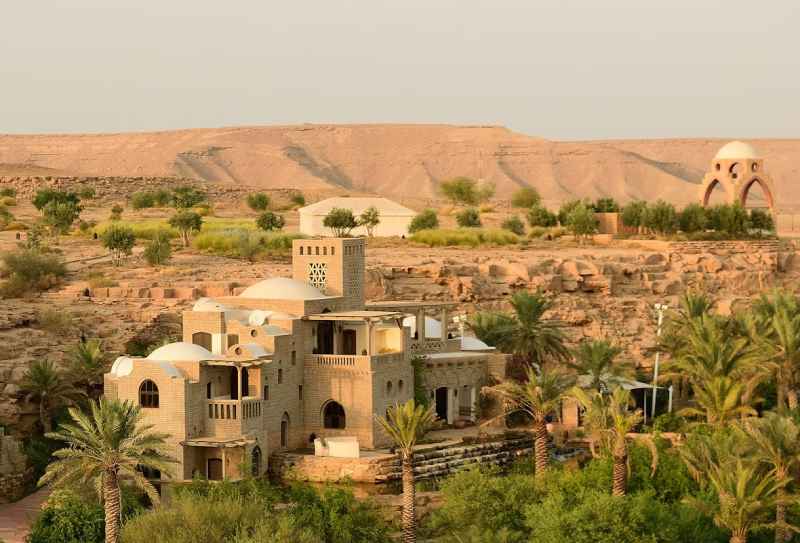
Al Qurainah is one of those places in Saudi Arabia that may not frequently appear in international travel discussions, yet it carries deep historical, cultural, and geographical importance. Located in the heart of the Kingdom, al qurainah reflects the long human relationship with the desert, shaped by survival, tradition, and gradual development. This area offers a meaningful look into Saudi Arabia’s past while remaining relevant in the present.
Understanding Al Qurainah in Saudi Arabia
Al qurainah is recognised as a locality within Saudi Arabia, associated with the central region of the Kingdom. Like many settlements in this part of the country, al qurainah developed due to its proximity to seasonal water sources, desert routes, and traditional grazing lands rather than coastal trade or mountain agriculture.
The name “al qurainah” has Arabic linguistic roots and often conveys the idea of connection or closeness. In many cases, such place names describe geographical features, historical associations, or long-standing tribal connections.
Geographic Location and Natural Landscape
Desert Terrain and Surroundings
Al qurainah is set within a typical central Saudi desert environment characterised by open plains, rocky formations, and dry valleys known as wadis. These wadis play an important role during rainfall, briefly collecting water and supporting vegetation used by livestock.
The natural environment influenced settlement patterns, encouraging seasonal movement and careful use of resources. This landscape remains largely unchanged, preserving the area’s natural character.
Climate Conditions
The climate in al qurainah is arid, with extremely hot summers and cooler winters. Rainfall is limited and unpredictable, making water management historically essential. Despite these conditions, communities adapted through knowledge of the land, animal herding, and seasonal planning.
Historical Background of Al Qurainah
Prehistoric Human Activity
Archaeological evidence indicates that al qurainah and its surrounding areas were inhabited by humans thousands of years ago. Stone tools and early structures suggest that ancient populations used the region for shelter, movement, and survival during different climatic periods.
These findings demonstrate that central Arabia was not an empty desert but part of early human migration and settlement networks.
Life Before Islam
Before the Islamic era, al qurainah was likely used by tribal communities moving across the Arabian Peninsula. It may have served as a resting area, grazing land, or waypoint along inland routes connecting different regions.
The social structure during this period was tribal, with strong kinship ties and oral traditions guiding daily life.
Role During the Islamic Period
After the spread of Islam, settlements like al qurainah became integrated into the wider Islamic world. Religious practices, legal systems, and trade patterns influenced even small communities. While al qurainah did not grow into a major city, it maintained continuity and stability.
Archaeological Importance of Al Qurainah
Key Discoveries
Modern archaeological surveys have highlighted al qurainah as an area of historical interest. Discoveries include ancient stone structures, burial sites, pottery fragments, and tools that span multiple historical periods.
These remains help researchers understand how people lived in desert environments over long periods.
Why Al Qurainah Matters to Archaeology
Al qurainah provides valuable insight into everyday life rather than elite or urban centres. It shows how ordinary communities adapted to harsh climates, organised social structures, and sustained long-term habitation.
Cultural and Social Identity
Tribal Influence
Tribal heritage has played a central role in shaping al qurainah’s identity. Social customs, land use, and community relationships were historically defined by tribal affiliations. Respect, hospitality, and cooperation were essential values for survival.
Language and Oral History
Arabic spoken in al qurainah reflects regional dialects common in central Saudi Arabia. Oral storytelling, poetry, and generational narratives preserved history, values, and identity long before formal documentation.
Al Qurainah in the Modern Era
Administrative and Regional Development
Today, al qurainah exists within a modern administrative framework. Infrastructure, transportation, and basic services have improved, connecting the locality more closely with nearby urban centres while maintaining its traditional character.
Heritage and National Vision
Saudi Arabia places increasing importance on preserving historical locations. Al qurainah is viewed as part of the Kingdom’s broader heritage, representing the depth of human history in central Arabia. Protecting such areas supports cultural identity and educational value.
Tourism and Educational Significance
Potential for Cultural Tourism
Although not yet a major tourist destination, al qurainah has potential for heritage and educational tourism. Visitors interested in archaeology, history, and desert culture may find the area valuable.
Academic and Research Interest
For students and researchers, al qurainah offers real-world examples of long-term desert settlement, human resilience, and cultural continuity.
Environmental Perspective
Human Adaptation to the Desert
The history of al qurainah highlights sustainable interaction with the environment. Communities used resources carefully, relying on seasonal cycles and traditional knowledge.
Lessons for the Future
Understanding how people survived in al qurainah can inform modern discussions about sustainability, climate resilience, and desert living.
Common Misunderstandings About Al Qurainah
Some believe al qurainah lacks importance due to its small size, but its historical depth proves otherwise. It is not a newly formed settlement, nor was it isolated from regional activity. Its value lies in continuity, not scale.
FAQs
Is al qurainah a city or a small locality?
Al qurainah is a locality rather than a major city, known more for its history than its population size.
Why is al qurainah historically important?
It shows evidence of human activity from prehistoric times through the Islamic era.
Are there archaeological sites in al qurainah?
Yes, researchers have identified ancient structures, tools, and burial sites.
Is al qurainah part of modern Saudi development?
It is included in regional planning and heritage preservation efforts.
Can al qurainah become a tourist destination?
Its cultural and archaeological value gives it potential for future heritage tourism.
Conclusion
Al Qurainah stands as a reminder that history is not only found in large cities or famous landmarks. Its desert landscape, ancient roots, and cultural continuity reflect the broader story of Saudi Arabia itself. By understanding al qurainah, we gain a deeper appreciation of how human life has endured and evolved in the heart of the Arabian Peninsula, preserving identity while adapting to change.